
Deadline Dilemma: To Deal or Not to Deal?
A well-executed trade can catapult a team from pretender to contender, or in the case of the 2020 Season No. 2 Boston Red Sox, from contender to defender. That season, the acquisition of Christian Yelich and Howie Kendrick launched Boston to their first World Series title.
A well-executed trade can also turn a franchise’s future from dim to bright. Witness the 2022 St. Louis Cardinals who dealt talent furiously at the trade deadline only to reap the rewards of acquiring prized rookies Corbin Carroll and Gunnar Henderson in the 1st round of 2023 Rookie & Free Agent Draft.
A trade not made can be haunting. The 2021 Boston Red Sox sat on a dominant Dinelson Lamet at the trade deadline. The Red Sox missed the playoffs and Lamet has never pitched again in the MMDBL. Other franchises, no doubt, can point to that player they wish they’d have dealt. And others may regret the trigger they never pulled, wondering if it might have been the deal that stamped their golden ticket.
This is, after all, the trade deadline dilemma: To deal or not to deal? With a little over a week to go before the trade deadline (Game 58), every team is addressing this question. Let’s evaluate how they might answer it.
Trading In: The Super 6
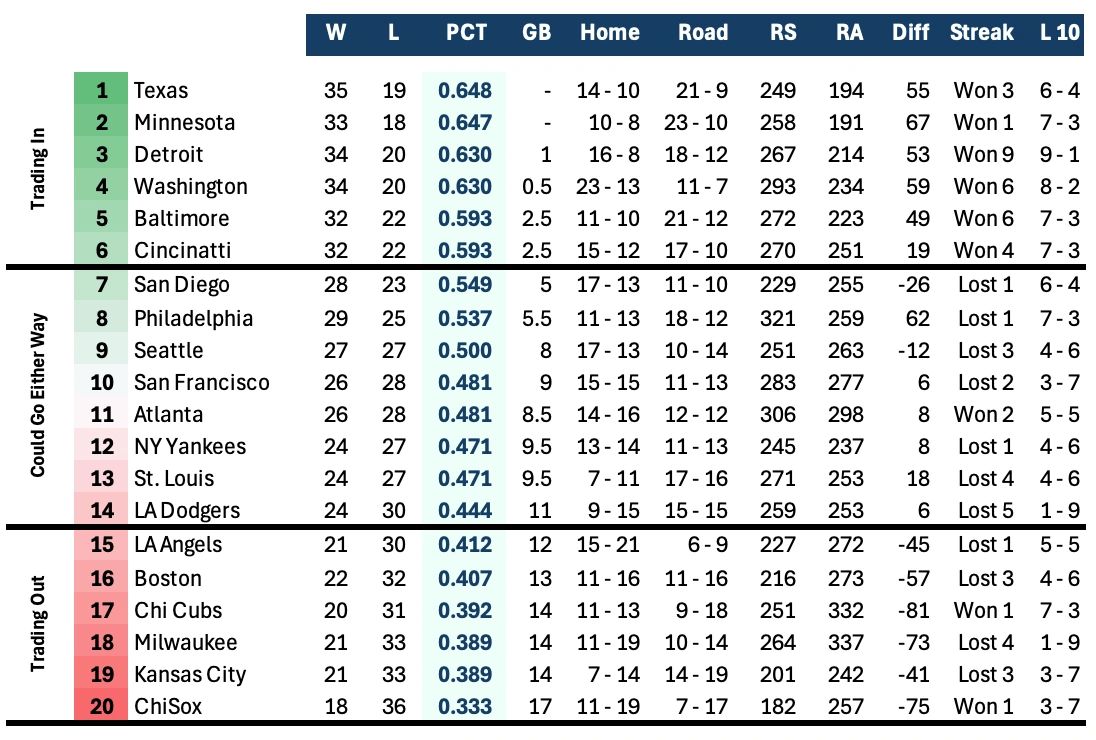
The Super 6 – for lack of a better moniker – includes Minnesota, Texas, Washington, Detroit, Baltimore and Cincinnati. These teams have begun to separate themselves from their respective packs – Texas and Detroit in the Bull Durham, and Minnesota, Washington, Baltimore and Cincinnati in The Natural. The Super 6 own the 6 best records in the MMDBL and rank at or near the top of the leaderboard in most statistical categories. Their statistical dominance suggests their success is not smoke and mirrors – and determining if you’ve been lucky or good (or both) is critical to making the decision to be a buyer.
By that metric, the Super 6 appear to be good. Real good.
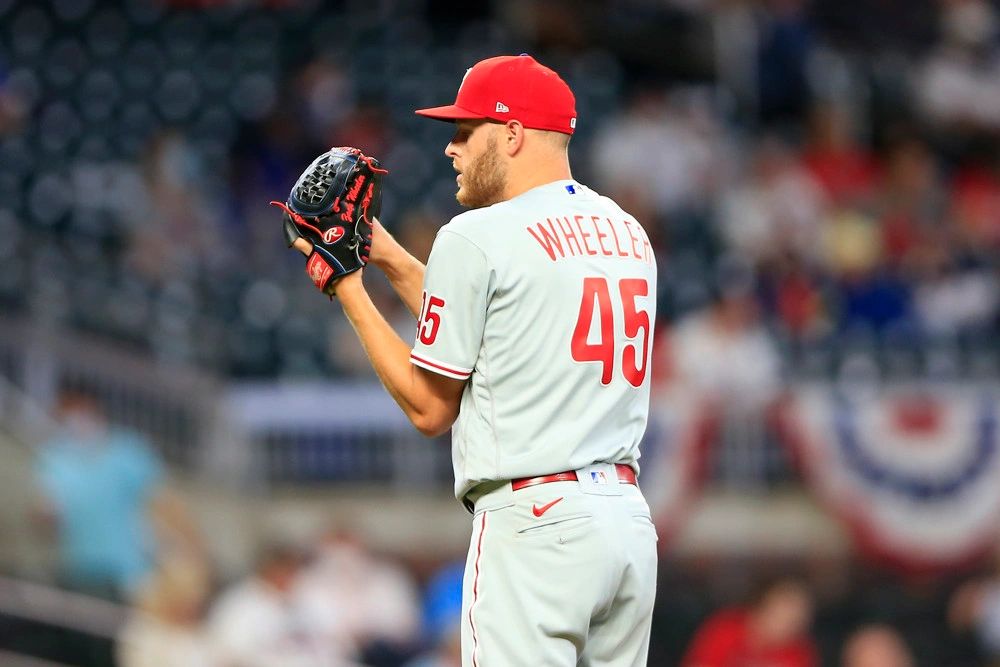
Texas already completed a small deal, acquiring infielder Gabriel Arias from the White Sox, to shore up its depth. Detroit made a tweak earlier in the season, acquiring 2B Zach McKinstry from Baltimore, as a hedge against another Brendan Donovan injury. Baltimore bolstered its bullpen in acquiring Hector Neris from Boston; and Minnesota acquired depth in snagging OF Randal Grichuk from Boston. None of these deals are blockbusters and it remains to be seen if any of the Super 6 will go out and acquire some of the bigger trade chips reportedly on the block – names such as Zack Wheeler, Zach Eflin, Josh Hader, Kerry Carpenter, Xander Bogaerts, Ryan Helsley, and Michael Wacha are rumored to be available.
The Super 6 have the top 5 run differentials in the MMDBL, further underscoring their dominance, and all are ticking up in their last 10 games, with some on notable winning streaks. As a group, the Super 6 are cumulatively 44-16 in their last 10 games, a .733 winning percentage. Getting hot just before the trade deadline can certainly make a GM more likely to lean into the stretch run.
The Races for the Top 2 Spots … And a Bye
With the expanded 6-team playoff format, now in its 2nd year, the top 2 teams in each division earn a bye. That can be a huge incentive to swing a deal that can improve your odds of skipping the Wildcard Round.
In the Bull Durham, Texas has leaned on pitching and owns the MMDBL’s 3rd-best WHIP (1.24) and is allowing the fewest runs per game. At the plate, Texas is 15th in OPS (.725). Their offense has under-performed expectations, making it possible that the Rangers may seek a bat at the deadline.
Detroit is on an incredible 24-4 run and in the midst of its 2nd 9-game winning streak during that stretch. The run has moved the Tigers from 10-16 and 8th in the Bull Durham to 34-20 and 2nd, 1 game behind Texas. The Tigers have the league’s 2nd-best WHIP (1.22), but the resurgence has been on the back of an awakened offense. At the 27-game mark, the Tigers ranked 18th in OPS and had the lowest batting average against righties. Currently, the Tigers are 6th in overall OPS and 12th against righties. They’re also 2nd in homeruns (80).
They’ve managed this resurgence despite losing Shohei Ohtani for 30 games (still on the DL), Donovan for 21, Willy Adames for 18, and Logan Webb for 6 plus a 5-game suspension. While all is roses currently for Detroit, the club may need to hedge against the loss of fragile pieces down the stretch. Also, while the hitting is catching up, the starting pitching has over-performed. A case can be made for the Tigers to go get a starter.
In the Natural, the Twins look like the real deal. Tied with Texas for the league’s overall best record, the Twins have the best run differential (+67) and the best WHIP (1.18). Minnesota is 9th overall in OPS but 6th in OPS versus righties, which has led to a league-best 26-12 versus right-handed starters. The Twins are only 7-6 versus lefties, so perhaps they might look to shore up the weakside of some platoons. They’ve been carefully rationing Royce Lewis and appear to have significant depth in the minors to jump in when Lewis reaches his limit.
Washington is just 1.5 games behind Minnesota and has the league’s 3rd-best differential (+59). They’ve won 2-of-3 versus the Twins and have an important rematch coming up in a few weeks. Among the Super 6, the Nationals appear to have the best balance (a case could be made for Baltimore, too). The team is 3rd in OPS (.778) and 6th in WHIP (1.31). The Nationals’ bullpen is the league’s current standard-bearer, leading with a 1.16 WHIP and a .179 opponent batting average (OBA). Starters, however, are carrying a 1.40 WHIP (10th-best), indicating an area of potential improvement. That said, Blake Snell has significantly under-performed (1.80 WHIP) and they’ve barely broken the bubble-wrap on Logan Gilbert, so the Nationals may feel they have a couple aces up their sleeve.
Baltimore and Cincinnati have identical records (32-22) and sit 2.5 games behind the Twins. Both look like locks for the playoffs but would like to earn 1 of the byes. That means ousting either the Twins or the Nats in the season’s final 36 games. The Orioles have Nats-like balance – 4th in OPS (.776) and 3rd in WHIP (1.31). The Orioles have the 5th-best run differential (+49) and are in the midst of a 6-game winning streak. Of note, Baltimore swept their first series with the Twins, but lost 2-of-3 to both the Reds and Nationals. Baltimore has leaned heavily on key members of the bullpen and may look to make a move to shore it up for the stretch run.
The Reds carrying cards are on-base and power. Cincinnati has hit 71 homers, 4th-best in the league and 12 more than Minnesota and 13 more than Baltimore and Washington. They are 2nd in the MMDBL with a .344 OBP. Among the Super 6, however, the Reds have the highest WHIP (1.39), ranking 12th overall; and they have the lowest run differential (+19). The Reds appears squarely to be a playoff team but they’ve gone 2-4 versus the Twins and Nats. You could make the case that they’ll need to be active in the trade market if they wish to claim a Wildcard Round bye.
Could Go Either Way
There are 8 teams in this grouping, of which 5-7 teams could make the post-season. The Bull Durham teams in this grouping have higher odds than the Natural teams given that only 2 of the Super 6 are in their division. Interestingly, the top 2 teams in this group – San Diego and Philadelphia – are in the Natural, 2.5 and 3 games behind Cincinnati, respectively. And Atlanta is 3 games behind Phily. If the season ended today, Atlanta would be the odd man out in the Natural. While the Dodgers are in this grouping, it looks as if they may have thrown in the towel on 2024 given their recent trade sending 2B Donovan Solano to the Braves for a 2025 2nd round pick. The Dodgers currently sit 5 games out of the last playoff spot.
In the Bull Durham – if the season ended today – Seattle, San Francisco, New York and St. Louis would round out the playoff teams. Seattle is 7 games behind Detroit, so the climb for one of the Bull Durham teams in this grouping to earn a bye is steep, albeit not impossible. If there’s a will there may be a way. Seattle owned one of the top 2 spots in the division until about a month ago, then the Rangers and Tigers got hot and soared up the standings. Meanwhile, Seattle cooled off. On April 17, the Mariners were 18-11 and leading the division. Since, they’ve gone 9-16.
San Francisco’s star has also faded. After sweeping Seattle, on May 14, the Giants stood at 23-19 and owned a share of the division lead with Texas. Since, the Giants have gone 3-11. In that stretch, the team sent a draft pick and parts to obtain Aaron Nola from the White Sox. Just last week they dealt for Atlanta’s 1st round pick. Normally, acquiring draft picks for players would seem to be a white flag move, but not necessarily. It’s possible the Braves see the acquired Ronel Blanco as a 1st round talent while also valuing the current-year contributions they expect from Jose Alvarado as a cherry on top. Meanwhile, the Giants could part with Alvarado and Blanco without harming this season’s chances.
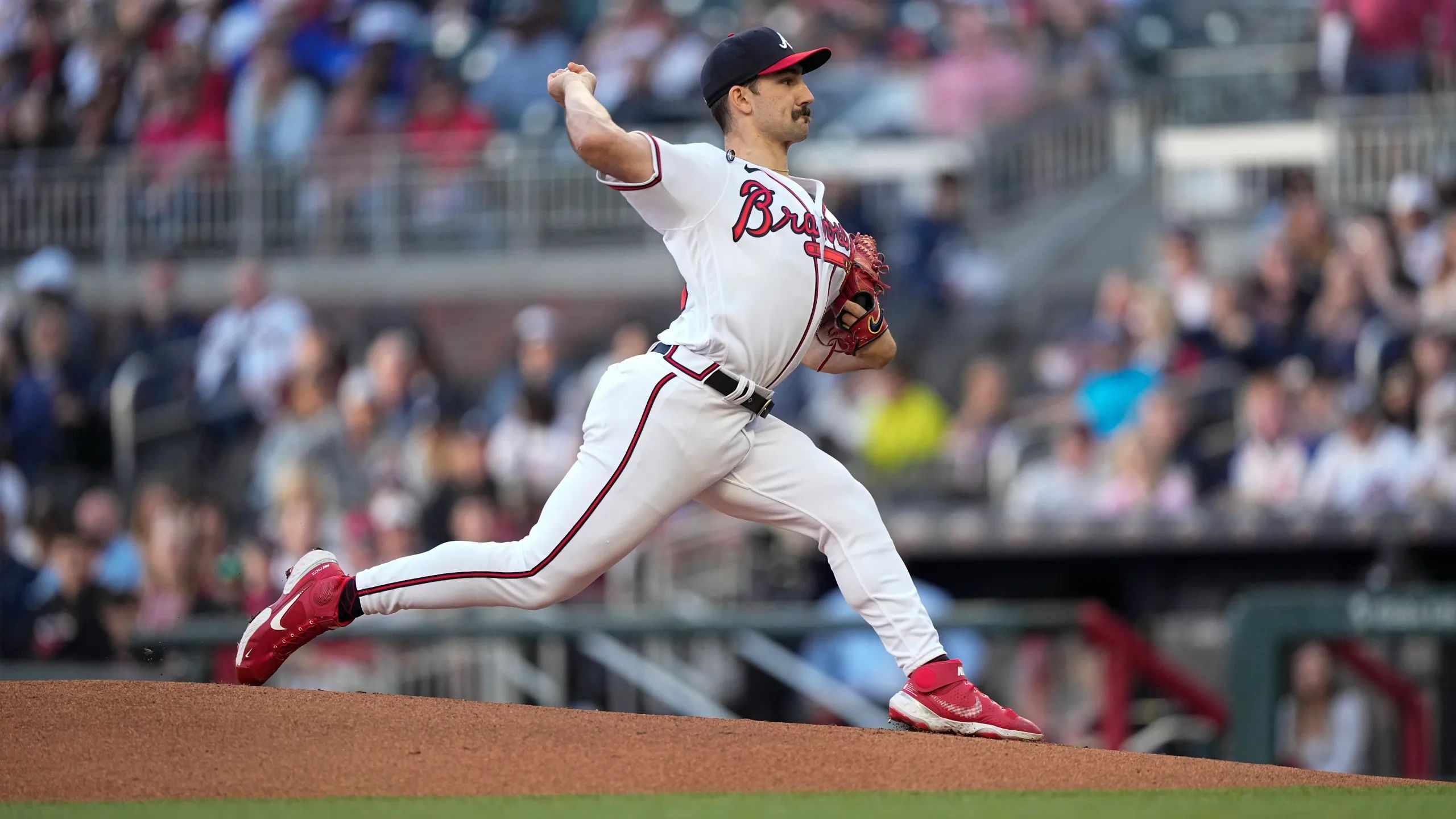
New York and St. Louis are both 24-27 but have taken different routes to get here. The Cardinals stood at 7-17 and in last place in the Bull Durham on May 7 before a 17-7 run evened their record. After their May 8-10 series against the Giants, the Cardinals were actively seeking trades to acquire picks. Then the young Cards started to hit. The Yankees, meanwhile, have been within 4 games of .500 (both above and below) all season. When Spencer Strider, Max Scherzer and Mitch Keller all have WHIPs exceeding 1.30 – Strider is at 1.57 – a case can be made that the Yankees are under-performing and should stay the course.
The wildcard in this grouping is the World Champion Phillies. The Phillies scuffled their way through March, April and early May playing below-.500 ball. On May 15, after blowing a 6-3 lead and falling to Atlanta, the Phillies had a 20-21 record and were 8th in the Natural ahead of only the Royals and Angels. Since, Philadelphia has gone 9-4 to move up to 6th, 3 games ahead of the Braves.
What’s remarkable about the Phillies’ season is that it is the opposite of what has defined the club. Instead of using openers followed by a barrage of matchup relievers to neutralize opponents, the Phillies have bludgeoned them with offense. The Phillies that won the World Series last fall were – by league standards – offense-starved, but they led the league in terms of run suppression.
The opposite is true this season. The Phillies lead the league in runs (what?), batting average (.277), OBP (.351), and are 2nd in OPS (.811). Typically bereft of prodigious power, the Phillies have bopped 67 homers (5th best). Pitching? Better lately, but anything from prodigious. The Phillies have the 17th best WHIP (1.47) – or 4th worst, if you choose to look at it that way. True to their past calling, they have yielded the least homers (41) and that has helped them avoid crooked numbers. Also true to their calling, the Phillies have the most relief innings and are 1 of just 2 teams (Seattle’s the other) to have more reliever than starter innings.
And here’s the stat that may matter most – the Phillies have the league’s 2nd best run differential (+62)!
Trading Out: The Bottom 6
This grouping features 6 teams that seem to be out of the race. In the case of the White Sox, Cubs and Red Sox, they’ve already made deals that suggest they’re tapping out. The White Sox and Red Sox have each acquired 2 draft picks and the Cubs have acquired 1. The White Sox have made it public that they’re open for business.
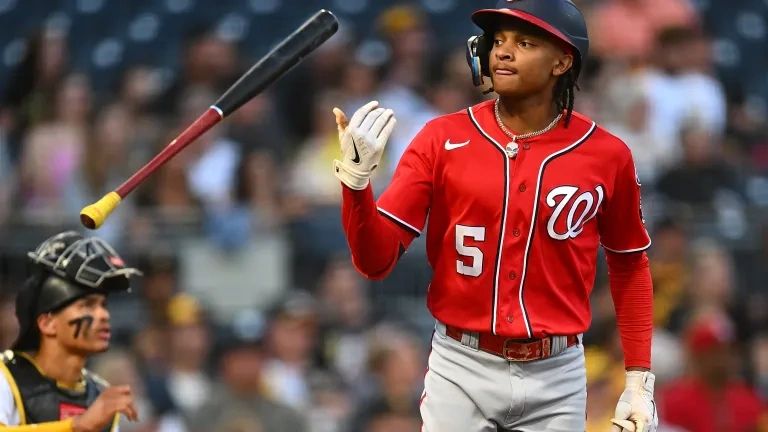
The Red Sox may have made the deal of the year so far in shipping Neris to shore up Baltimore’s bullpen. Baltimore also received Michael Busch, but the Red Sox may have acquired their shortstop and a solid starter for the future in C.J. Abrams and Brady Singer. The spoils of the Abrams-Singer trade and the addition of the draft pick will look even better if Boston also manages to make the playoffs. Boston is the only team in the Bottom 6 to have a realistic chance (21% odds) to still make the playoffs, sitting only 3.5 games behind the 5th and 6th seeds.
The other 3 teams in this grouping – the Angels, Brewers and Royals – have a very steep climb to the playoffs. However, only the Royals have publicly indicated a willingness to trade talent for picks. There is speculation that the Angels and Brewers will soon follow suit as they currently sit 6.5 and 4.5 games out of the 6th seed.
But nothing’s guaranteed and you never know who’s going to get hot and who’s going to flame out. The trade deadline, however, is unforgiving. GMs must choose their destiny before the first pitch of Game 58.
Choose wisely.