
Playoff Preview - The Path to Glory for Each Team
This week 8 teams begin Stage 2 of the sifting and winnowing process known as the MMDBL’s League Divisional Series (LDS). Stage 1 took 54 games and featured peaks and valleys for each of the 8 teams that made it through the regular season gauntlet.
The Bull Durham LDS matchups feature the only 3 teams in the league to finish above .500 and one team that sold off before the trade deadline and still earned the playoff bonus. The Natural LDS features the reigning champion Minnesota Twins and three teams that aim to block their path to back-to-back titles.
Rather than handicap the LDS and make bold predictions about who will prevail, we figured it would be more interesting to map the path to world domination for each of the 8 deserving playoff teams. We take this league-by-league, in order of best-to-worst record.
The Bull Durham LDS
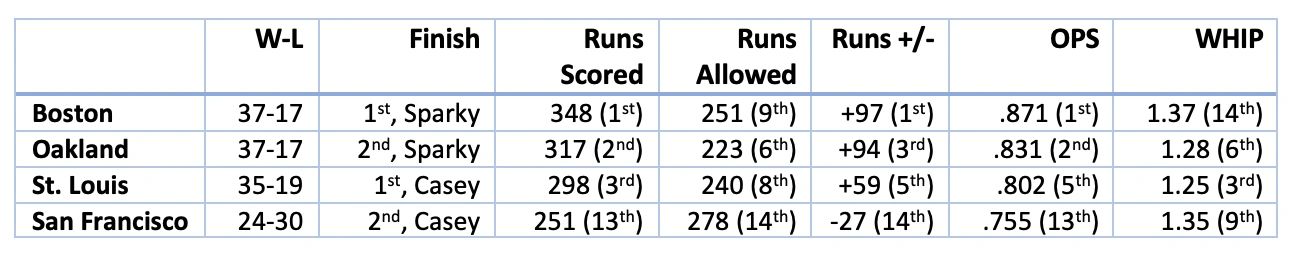
Let’s dispense with the statistical overview right away. Boston, Oakland and St. Louis were 1, 2, and 3 in runs scored in the MMDBL, and the Giants were a distant 13th. Boston, Oakland and St. Louis had 3 of the best 5 run differentials and 3 of the best 5 OPS in the MMDBL. One could argue that Boston, Oakland and St. Louis represent the MMDBL’s 3 most potent offenses. Or one could argue they benefitted from weaker opposition.
Hold that argument. The potent trio went 30-15 versus opponents from the superior Natural league this season. Bull Durham teams obviously benefit from the Designated Hitter, whereas The Natural teams had pitcher hitting dragging down their offensive totals. But the record speaks for itself – Boston, Oakland and St. Louis can compete. How about the Giants? Their 3-12 record versus The Natural was the worst record of all Bull Durham teams. What should we make of that? Dead in the water, right?
Not so fast. Let’s break this down.
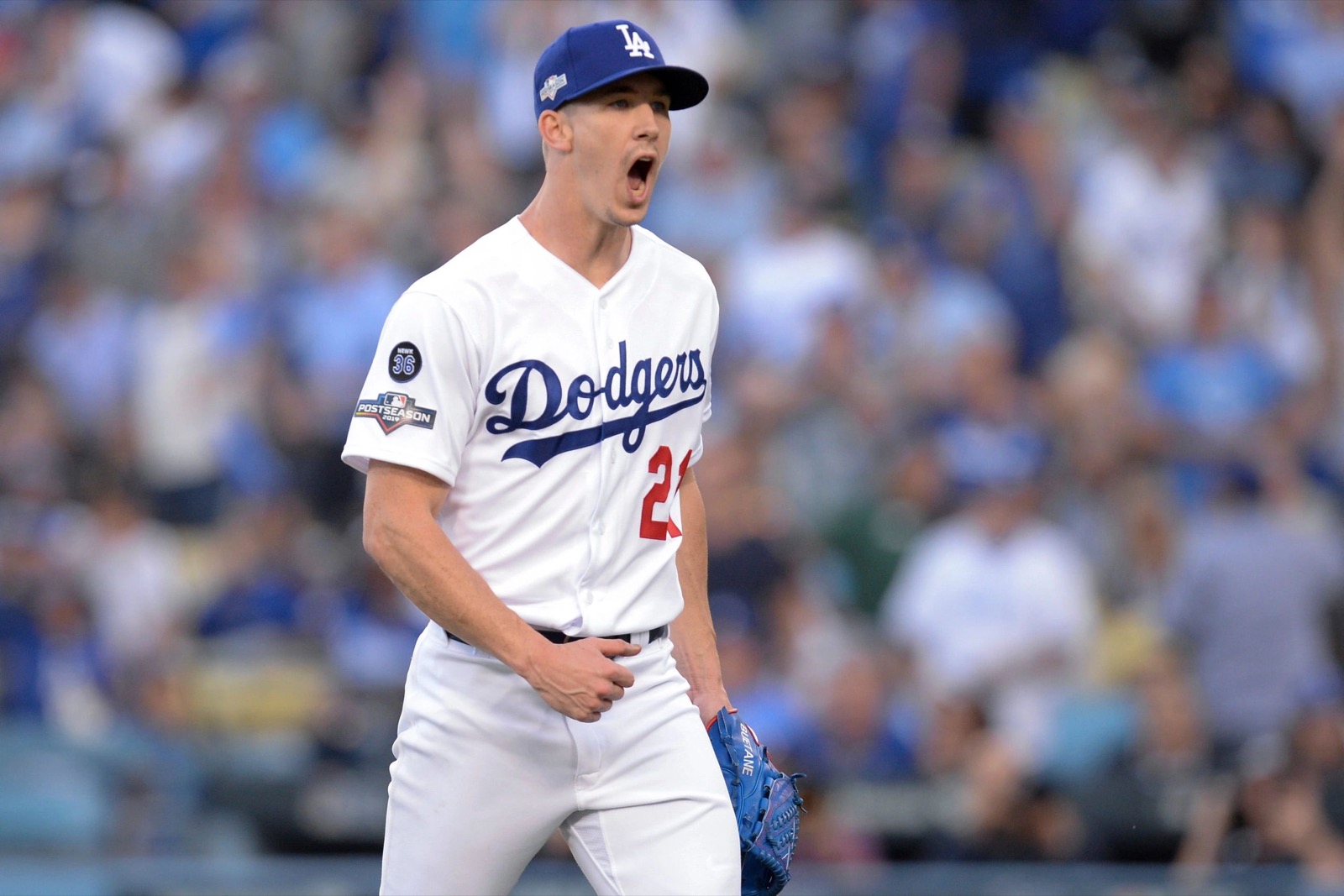
Boston (37-17) – The Red Sox have bludgeoned their way to victory all year. But they’ve been stalled several times by right-handed aces (see Walker Buehler and Sonny Gray) and by left-handed aces (see Robbie Ray). When opponents pitch their best, it can be kryptonite. Bats have gone silent. The BoSox seemingly pad their stats when opposing pitchers are suboptimal.
Boston’s path to the championship is to bludgeon other team’s non-aces. They’ve done it all year and have built large early leads that can be demoralizing for opponents. The bullpen has been shoddy, however, giving up large leads in several games. In one game this season, the Red Sox blew 3 4-run leads – and still won! Poor defense has contributed to inconsistent pitching. The Red Sox committed 30 errors, 5th worst in the league, and have struggled to convert double plays and end innings by taking away range hits.
So how do they overcome these pitching and defense deficiencies? Same way they have all year – by scoring lots of runs. The Red Sox took 2-of-3 versus the Giants earlier this year, losing 2-1 to Anthony DeSclafani but managing to beat Lance Lynn with a 5-homer game. They need to score early and often and take the pressure off their bullpen and defense. They won 4-of-6 versus Oakland but lost 2-of-3 versus the Cardinals. Collectively, they are 7-5 against Bull Durham playoff contenders, and they scored 5 or more runs in each of their wins, and no more than 3 runs in each of their losses.
If Boston is going to win the crown it will do so with a relentless offensive attack that features lots of runners and the occasional key hit. The Red Sox led the league in all slash categories and had 2 players in the top 10 for batting average and OPS, and 4 players in the top 10 in OBP, including 3 in the top 4. Six lineup regulars had an OBP of .400 or greater and Christian Yelich was next at .382. When 7 of your 9 hitters are getting on base at a .380+ clip, runs are bound to happen.
The Red Sox will win if the bats continue to pound hits and batters continue to get on base. Or it could unravel with poor defense and slipshod pitching as they face just enough aces to throttle the offense.
Oakland (37-17) – The A’s find themselves right back where they started the season – looking like defending Bull Durham champions steeled for another World Series run. Several key players and pitchers struggled in spurts this season for the A’s, but in the end the whole was greater than the sum of the parts. Oakland was 2nd in OPS, had the league’s best relief WHIP (1.06), and benefitted from more timely hitting than any other team.
Oakland hit a league-leading .326 with runners in scoring position (RISP)! That’s 26 points higher than the next team (San Francisco, .300). They also led the league by hitting .301 with runners on, which is 13 points higher than the next team (Boston, .288). Oakland also led the league hitting .307 at home and was 2nd in fielding percentage (.992) with only 16 errors. The combination of timely hitting, good defense, shutdown relief and a style of play ideal for the Coliseum make the A’s a force to be reckoned with in the playoffs.
Oakland’s winning scenario starts with Walker Buehler picking up where he left off in his last 3 regular season outings:
· September 7 at Toronto – Win, complete game 4-hitter, 13 strikeouts
· September 2 at Chicago White Sox – Win, complete game 4-hit shutout, 11 strikeouts
· August 8 at Boston – Win, 6 hits over 7 1/3rd, 11 strikeouts
The winning scenario continues with timely hitting when runners are on or in scoring position, and it gains momentum with good defense that deflates opponent threats before they become a manifest possibility. It ends with shutdown relief. This formula has worked for 2 seasons. How do they get derailed? Their lefty starters fail to contain the 2 lineups that have given them fits all season – Boston and St. Louis (a combined 3-6 with 51 runs allowed).
St. Louis (35-19) – The Cardinals had a great season. They’re often overlooked and lost in the shuffle as all the blogging attention has gone to competitive divisional races. The Cardinals waltzed away with the Casey Division title early, winning it by 11 games. No drama, no news (after all, even bloggers thrive on conflict!)
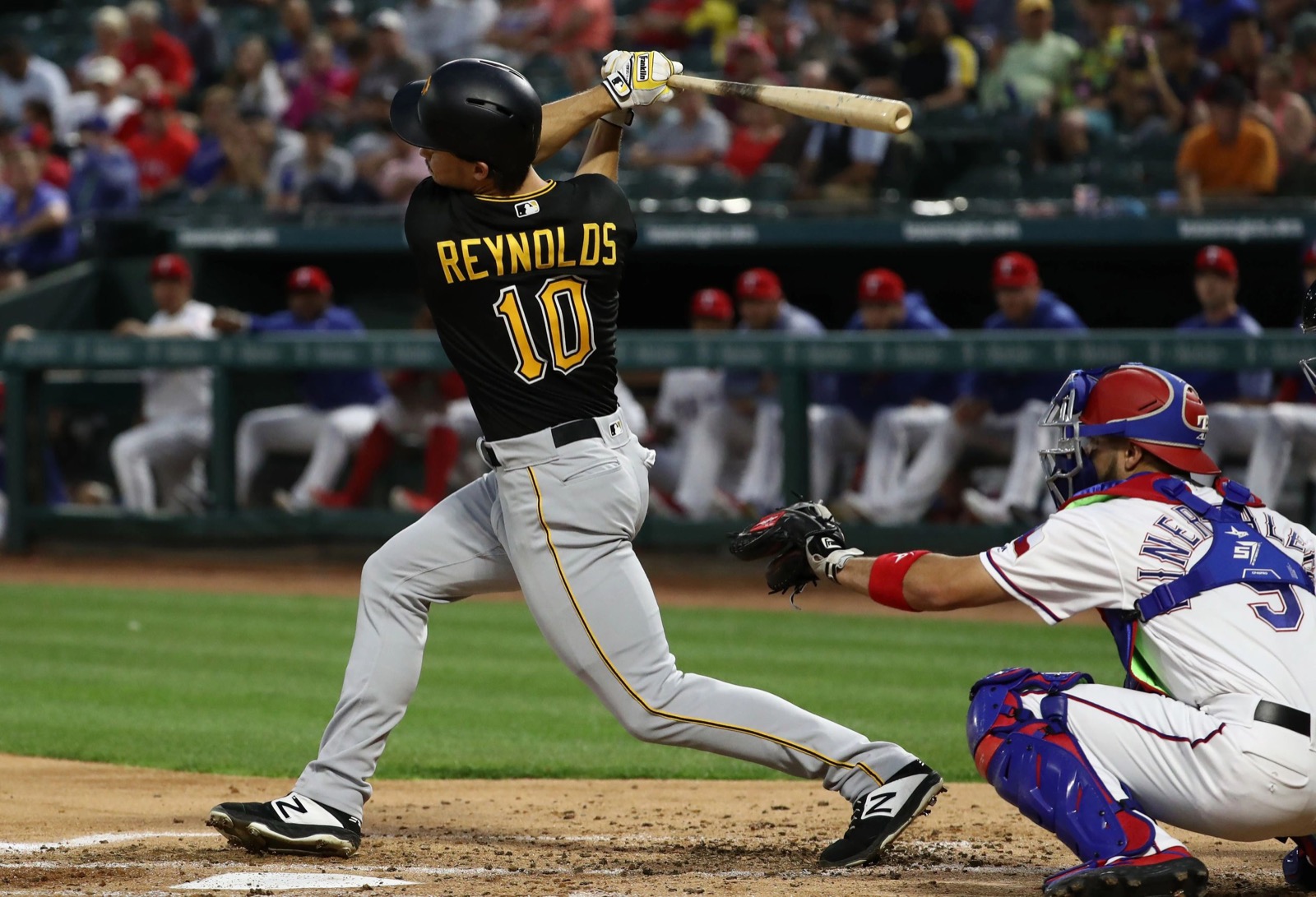
Ignoring St. Louis now would be a fool’s errand. They ranked among league leaders in pitching and hitting and proved to be a well-balanced machine with few weaknesses to exploit. The strength of the team may be its well-rounded lineup. The Cardinals were 3rd in runs scored, Slugging and homers, and Bryan Reynolds outright became the MMDBL’s first ever Slash King, posting the league-best in batting average, OBP, SLG, and OPS (.380/.468/.669/1.137) while making a strong case for league MVP.
On the mound, the Cardinals yielded the 3rd fewest runs and had the 3rd best overall WHIP; and based on WHIP as the barometer, the Cardinal rotation and bullpen were 4th best in the league. Merrill Kelly and Michael Pineda have provided a solid 1-2 rotation punch all season; and Giovanny Gallegos, Emilio Pagan and Ty Buttrey could make the case for the best bullpen trifecta in baseball, yielding just 42 hits and 30 walks in 89 innings for a 0.81 WHIP.
The formula for Cardinal success is the Cardinal Way – consistent baseball in all facets with no clear weakness. So how do they stumble? The Cardinals went 2-1 against each Boston and Oakland and are not scared of their potent offenses. However, there were times throughout the year when St. Louis’s offense seized up. When this happened, it was typically guys like Matt Olson, J.T. Realmuto, Manuel Margot and Mike Freeman underperforming expectations and failing in key spots as opponents work around the loud bats of Reynolds, Austin Meadows, Jorge Soler and D.J. LeMahieu. If the Cards stay balanced, they’re a solid pick to claim the prize.
San Francisco (24-30) – Despite their team nickname, the Giants are David versus Goliath in the Bull Durham playoffs. The only playoff team to finish below .500 and with a negative run differential, the Giants appear to be longshots. Real longshots. But don’t fall asleep here. The Giants outlasted Detroit and Toronto to win the playoff wildcard spot after selling off for the future. So basically, this is a team that believes its best days are ahead of them and they’re in the playoffs. That’s a potent combination.
Then there’s history.
The Giants co-owners, Bart Doherty and Garrett Goodrich, have history with Red Sox Owner Geoff Cooper. In the Metro-Milwaukee Baseball Association (MMBA), a face-to-face Strato baseball league now in its 22nd season, Doherty and Goodrich commanded their upstart A’s franchise to a stunning LDS victory over Cooper’s heavily favored Tigers in 2011. The Tigers were 36-18 that year and the overall No. 2 seed, but they were gunned down by Doherty and Goodrich. The Doherty-Goodrich A’s played strong defense, stole bases, created runs, and pitched lights out to throttle the high-powered Tigers’ offense.
The 2020 Doherty-Goodrich Giants are very similar to that 2011 A’s team. And the 2020 MMDBL Red Sox are strikingly similar to that 2011 MMBA Tigers’ club (though not as good because the Tigers had better pitching). Can the Giants do to the Red Sox what the 2011 MMBA A’s did to the then-juggernaut Tigers?
Absolutely.
While the Giants are down the stack in terms of MMDBL offenses, they hit .300 in RISP situations, 2nd only to the A’s. And while the pitching is middle of the stack, they are able to roll out an ace (Lance Lynn) and a budding front-of-the-rotation starter (Zach Plesac). Gone are Josh Hader and the Hansel Robles who passed on through. Remaining is a bend-but-don’t-break bullpen that blew only 6 games all year, 2 of which could be pinned on the now-departed Hansel and Hader show.
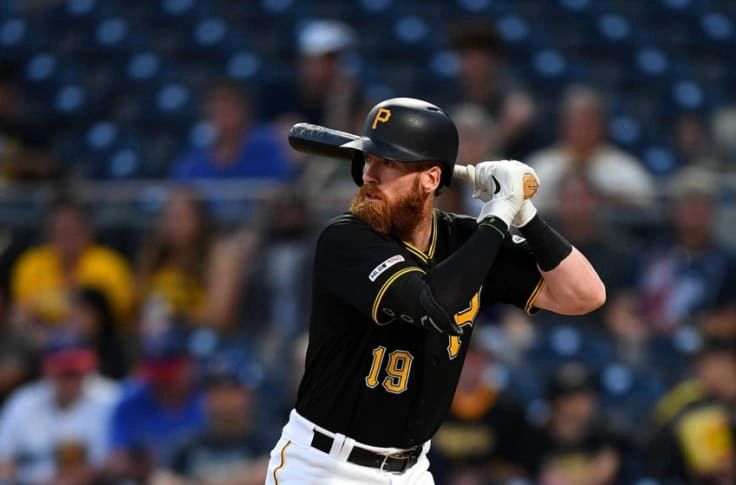
Let’s suppose the Doherty-Goodrich connection one again upsets the Cooper applecart. Can they carry the dream through St. Louis or Oakland and onto the World Series in what was supposed to be a rebuilding year? If they do, it will have to be on the backs of the ungodly hitting clinic their mainstay hitters have been putting on recently. Avisail Garcia, Colin Moran, Starling Marte, David Fletcher and Adam Eaton are hitting a combined .331. Add in the recent part-time contributions of Isiah Kiner-Falefa and Harold Castro, and that average goes up! If the Giants get ace-like outings from Lynn and Plesac and the rakefest continues, anything is possible. If not, it could be a hasty playoff exit, but still a nice cherry on top of a sell-and-rebuild season.
The Natural LDS
The Twins are in it to win it back-to-back. But they’ll have stiffer competition this time around in Philadelphia, the Yankees and Astros. The top-down view suggests the Phillies are the team to beat, making a strong case by yielding fewer runs than any other team this season while entering the playoffs with the best OPS and run differential among Natural participants.
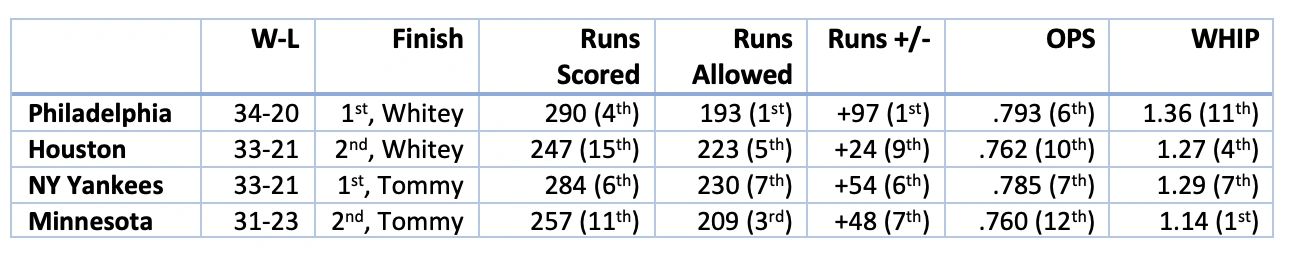
But look closer and you see a race that is up for grabs and likely to come down to timely hitting and key matchups. I could make a case for any of these teams to win it all, and just as easily write a script for an LDS exit.
Philadelphia (34-20) – The Phillies are the MMDBL’s first ever worst-to-first story. After going 20-34 and finishing in last place in the Whitey Division in Season #1, the Phillies turned the tables and went 34-20 to win the division and enter the playoffs as The Natural’s top seed.
We’ve chronicled ad nauseum how Philly has worked The Opener strategy to perfection this season, and how they’ve relied on winning games in the middle innings. Rather than dissect that strategy, let’s just note that they were the only team to allow less than 200 runs all season. It worked, and there’s no reason to believe it won’t work in the playoffs. Tired arms are now fresh and ready to go.
If the Phillies are to win it, The Opener will have to be the closing argument. Roster construction series-to-series will be very important. Will Philadelphia carry 13 or 14 pitchers to assure they can work their magic? And how will opponents respond to seemingly innocuous middle-inning matchups in playoff games when every run-producing opportunity is do or die?
While run prevention has been the key for the Phillies, they don’t need to be the best at preventing runs in order to win it. The Phillies scored more runs and had a higher OPS than the Astros, Yankees and Twins, so they have some margin for error. However, the Phillies have to be concerned about their combined 4-8 record against the other Natural playoff teams. They’ll also enter the playoffs without A.J. Pollock, Kyle Farmer, Gary Sanchez, Kevin Kiermaier and Matt Wieters as injuries began to pile up late in the season.
Can The Opener strategy close the deal? We’ll soon find out as the Phillies host the World Champion Twins in the LDS. They swept the Twins in their regular season matchup but that was before the Twins found their late-season mojo. The rematch will be interesting.
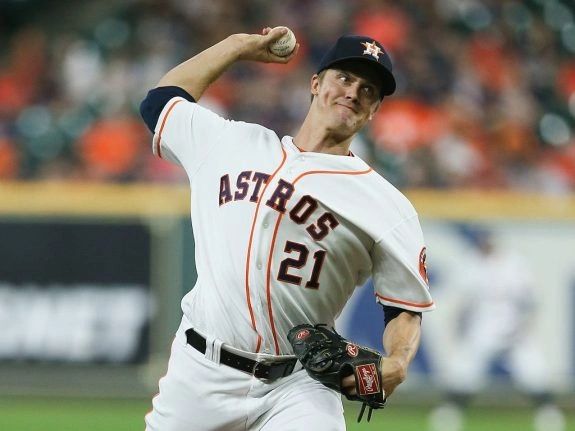
Houston (33-21) – The Astros’ LDS opponent is the New York Yankees, a team they beat 2 games-to-1 in an early season series when the Yankees still had Aaron Judge. Since then, the Astros gave the MMDBL its only no-hitter (https://mmdbl.com/t-w-i-b/f/week-8-–-astros-give-mmdbl-its-first-no-no-unconventionally) and then proceeded to win 10 of their last 12 games to roll past the Mets and Orioles and claim the Whitey Division wildcard.
After 30 games, Houston was sitting at 16-14. They finished on a 17-7 run and enter the post-season as a team that is surging. In contrast, the Phillies and Yankees both went 4-5 over the season’s last 3 weeks; and while the Twins finished strong (8-2 in its last 10 games), the Astros finished stronger. The winning script for Houston involves that intangible known as momentum. Can the Astros continue their hot hand throughout the playoffs and claim the crown?
Houston seems well prepared for the quest. Zach Greinke and Jeff Samardjia went a combined 14-3 on the season and form a solid 1-2 rotation punch, and the late-season acquisition of Mike Fiers gives the Astros a 3-deep playoff rotation surpassed by onlythe Twins. Don’t forget about Greinke’s bat. He hit 6 homers, batted .417 and had an OPS of nearly 1.500 and is a legitimate intentional walk-worthy threat that deepens Houston’s lineup.
At the back of the bullpen is the MMDBL’s saves leader, Alex Colome (19) and effective Yoan Lopez. Willie Calhoun and Josh Bell had great years and anchor the lineup; and Adalberto Mondesi leads a defense that was 3rd best in the MMDBL with only 19 errors and a .990 fielding percentage. The path to an Astros world championship may rest on momentum and the Greinke-led rotation. If Houston finds a way past the Yankees, they might prefer to face the Phillies, whom they beat 4 games-to-2 this season. Against the Twins, they were 1-2.
NY Yankees (33-21) – Seems like just yesterday we featured the Yankees in this very blog and wished we could go to Dive Bar to celebrate the tommy Division title with the pinstripe-clad faithful (https://mmdbl.com/t-w-i-b/f/week-16-–-yankees-will-win-the-division-after-all).
The Yankees, as mentioned earlier, slinked across the finish line with a 4-5 record in their last 9 games. And, as mentioned earlier, they overcame the loss of Judge to claim their first division title. Despite this, the Yankees enter the post-season with a strong resume at the plate, on the mound and versus quality opponents. Throw out an early season sweep at the hands of the Twins – which they later atoned for with a 2-1 series win – and New York was 10-5 against all playoff teams. The one team they struggled against (other than the Twins sweep) is the Astros – their LDS opponent. They lost 2-of-3 in a very early season matchup.
The key to the Yankees’ post-season success will have to be rotation depth and timely hitting. Mike Soroka, Noah Syndergaard, Anthony DeSclafani, Robbie Ray and Homer Bailey give the Yankees 5 decent starters, whereas most opponents will be dealing from a 2- or 3-deep position of strength. This allows the Yankees to matchup and likely gives them an edge in Games 3 and 4 when opponents’ aces aren’t able to come back on short rest. Yankees pitchers also only yielded 54 homers this season, the league’s second lowest total (Philadelphia, 49), which is amazing given the launching pad that is Yankee Stadium.
At the dish, the Yankees had the second best OPS (.843) and the most home runs (39) with runners on. Getting runners on is where it starts – the Yankees had the MMDBL’s third best OBP (.341) this season. The Yankees batting order features some solid hitters – Ketel Marte, Freddie Freeman, Mike Moustakas and Jos Pederson, to name a few – but it lacks the type of prodigious power one would expect of a team that calls Yankee Stadium its home.
As such, the Yankees are 1 of 2 playoff teams (San Francisco) that had a losing record at home (13-14) in the regular season. This could be cause for concern because, in the LDS anyway, every game could feel like a home game for the Yankees. Houston’s Minute Maid Park features left-to-right field dimensions eerily similar to Yankee Stadium. The ball even has the same carry. When they swept Philly this season it was on the road. When they got swept by the Twins, it was at home.
If the Yankees are going to make a run it will need to find a way past Houston, keep the ball in the park, win on the road, and continue the timely hitting with runners on that has been a hallmark of success all season.
Minnesota (31-23) – So who wants to play the Twins?
Playoff teams around the MMDBL released a collective “oof” upon learning that the Twins made the playoffs. No one wants to play the Twins, which is essentially the same team that went an astounding 43-11 in Season #1 before going 12-5 in the playoffs and winning the World Series.
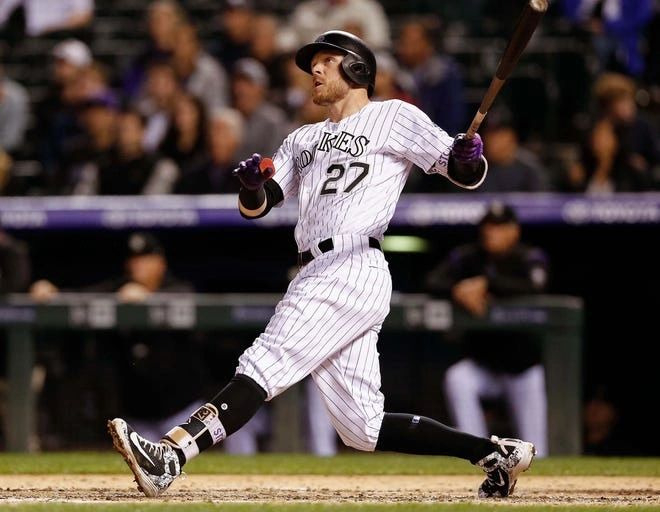
Don’t let the 31-23 record fool you. The Twins had to overcome the season-ending Mike Clevinger injury, a pair of Lucas Giolito DL stints and subpar performances by numerous players that played key roles in Season #1 (looking at you Jordan Yamamoto, and what’s up with Ji-Man Choi anyway?) They did that and then went 13-7 since just before the trade deadline to capture the Tommy Division wildcard.
The path to the promised land is quite obvious for the Twins – roll out the best 1-2 rotation of Gerrit Cole and Giolito, ride them on short rest, and rely on what has been statistically the best pitching staff in the MMDBL based on OBA (.218) and WHIP (1.14). These stats, by the way, include the abominable Yamamoto who has yielded a 1.82 WHIP and a 7.85 ERA while going 1-6 in the regular season. Still, Yamamoto is an x-factor. If he finds his Season #1 form he gives the Twins a third ace, and they still have Luke Weaver to fall back on.
The Twins will need to find more hitting and run production in order to repeat. They’ll need Juan Soto and Trevor Story to stop being average and Choi to return to form as a righty slayer. They’ll also need Kyle Schwarber to stop being bad, and Will Smith to contribute more than he has. The scary fact is that Minnesota is in the playoffs with more underperformers than their playoff brethren. If those underperformers perform, then the path to a second title is paved. If they continue to underperform, then the path is muddy.
Let the games begin.