
Surveying the MMDBL Draft Buffet Before Grabbing a Plate
The MMDBL Annual Rookie & Free Agent Draft is a buffet of talent. On one side, you have the “I’m starving to death” choices, the players that will make you better right now but may leave you feeling bloated and lethargic later on. On the other side, there are the choices that probably won’t fill you up right now but, in the right proportions, could help you feel younger and more energetic down the road.
What every GM wants to find at the MMDBL draft buffet is that perfect selection that fills you up, tastes great and makes you healthier over the long run.
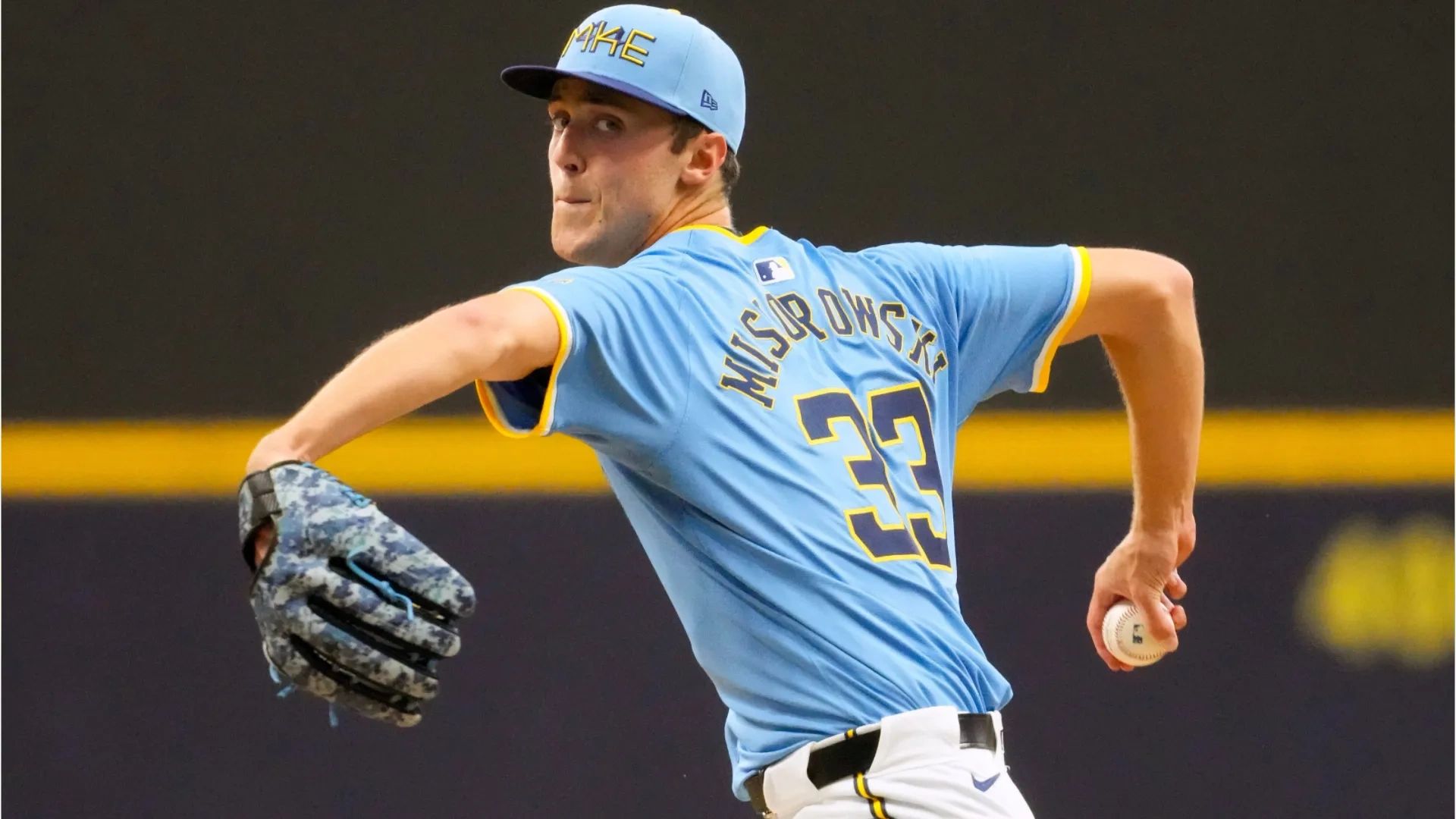
No, I’m not comparing Tyler Mahle and Eric Lauer to the high-fat, high-carb food bar choices that leave you feeling stuffed and searching for a nap of contentedness. Well, not totally. The pair of 31-year olds had stellar bounce back seasons and certainly pitched well enough to earn spots in MMDBL rotations for the 2026 season; and they can be expected to produce solid results, what with low WHIPs (Lauer 1.11, Mahle 1.13), low OBAs (Lauer .226, Mahle .218), low homers allowed, and some of the highest accumulated WAR among free agent pitchers.
The comparison of Mahle and Lauer to, say, food bar mashed potatoes and macaroni and cheese is not totally on-point though. Despite being on the backside of the peak performance age curve, they could give you 2,3, even 4 years of decent production. A better comp might be 38-year-old lefty Caleb Thielbar who had an undeniably dominant season in high volume out of the bullpen for the Cubs.
When it comes to healthy choices, eyes go immediately to 22-year-old righty Jonah Tong. The Mets prospect likely pitched just enough to earn a card from Dynasty but not enough to help an MMDBL team much in 2026. If you put Tong on your plate and go back to the table and sit down, you’ll leave the buffet as hungry as when you came in. However, you will likely feel better 2-3 years out about your roster, assuming Tong matures into the player most scouts feel he can become.
For those who want to leave the food bar on a full stomach and with franchise-building healthy choices, there are a few options, though it’s first-come first-served. Those at the end of the feed line won’t likely get to pick from Cade Horton, Chad Patrick, Shane Smith, Jacob Misiorowski, Noah Cameron or Trevor Rogers – just sticking with the younger pitchers available in January’s draft and setting the hitters aside for now. These arms are likely to be gone early as teams fill needs and stockpile for the future.
The offseason is young and we can expect another 400 or so players to be added to the draft pool once teams finalize cuts in January but now is as good a time as any to preview what will be featured at the draft buffet in about 50 days. This blog focuses on pitchers, with Part II for hitters to come a little later.
Healthy-Choices That Satisfy Hunger Too
Early in the draft is the time to get full on prospect rookies and post-hype prospects that broke through with usable seasons and inspiring futures. Cade Horton is the crab legs of this feast. With a 1.08 WHIP and a .217 OBA, the rookie posted a 2.2 WAR in 22 starts. Peripherals look solid as he limited homers and was league-average in groundball and hard-hit rates. Noah Cameron was a bit of a surprise for the Royals. The 25-year-old lefty posted a 1.10 WHIP and a .214 OBA enroute to 1.8 WAR. He gave up homers at a league-average rate and was above average in terms of hard-hit rate over his 24 starts. Slade Cecconi, another righty, finally broke through with the Guardians after several injury-riddled years as a top prospect in Arizona. With a 1.19 WHIP and .245 OBA, Cecconi offers rookie upside and should occupy a full-time rotation slot. Shane Smith’s 2.2 WAR matches Horton’s, though the White Sox’ righty yielded a higher hard-hit rate. Smith was stingy across his 29 starts, posting a 1.20 WHIP and a .214 OBA with an above league-average swinging strike rate.
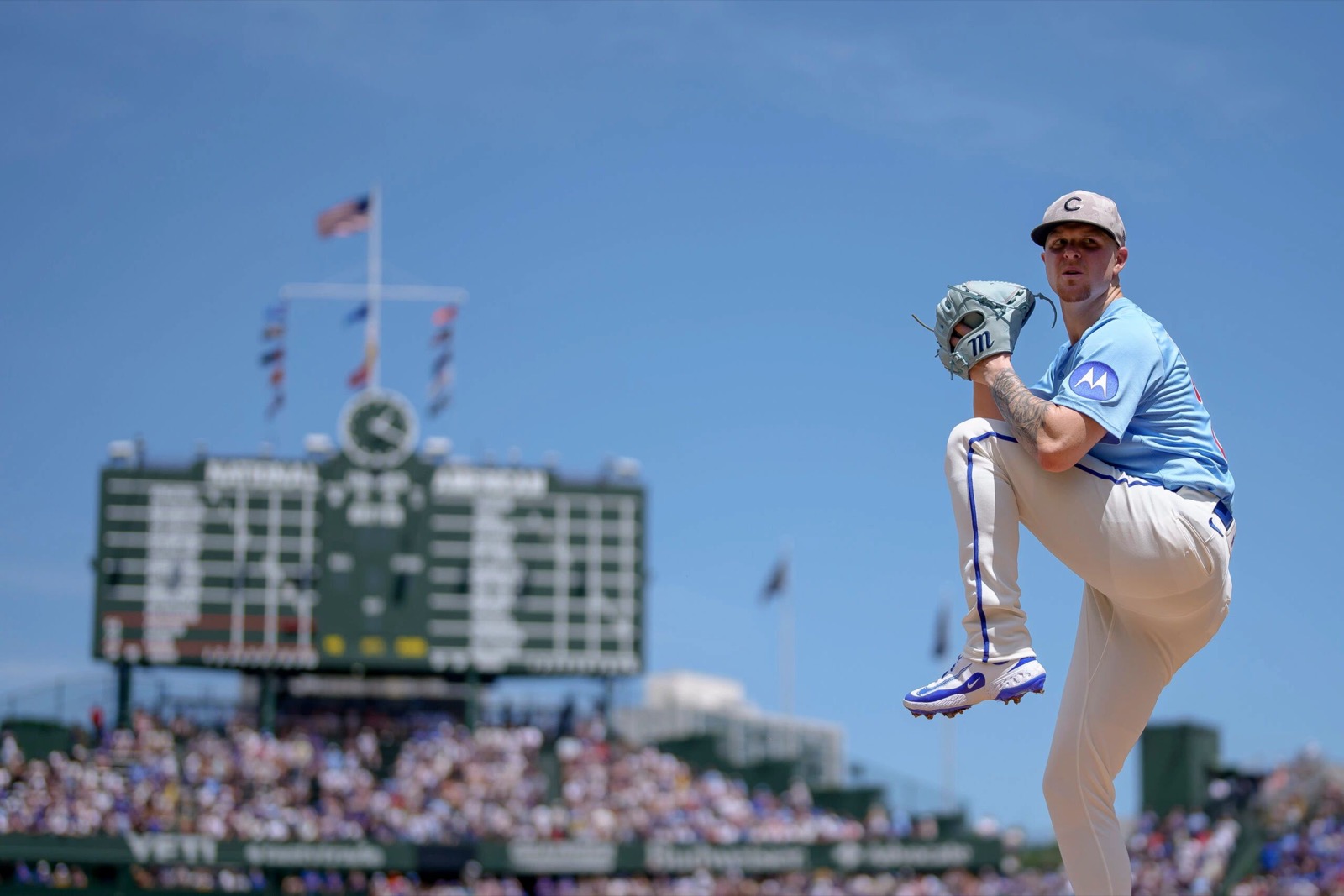
Somewhat older at 28, Trevor Rogers still has a future and may have had the best year of any free agent pitcher with a stifling 0.90 WHIP and 0.179 OBA enroute to a 3.3 WAR. He didn’t pitch until Memorial Day weekend, but didn’t miss a turn after that, posting 18 starts with extremely low homer and walk rates and a high swinging strike rate. Rogers’ xFIP (3.64) is also one of the best in the draft for pitchers with over 100 innings. Another post-hype prospect, Stephen Kolek, pitched good enough in his age-28 season to become a trade-deadline acquisition of the Royals, finishing 2025 with a 1.14 WHIP, .232 OBA and 1.7 WAR.
An intriguing option is 25-year-old Mike Burrows. The righty had a solid rookie season for the Pirates (1.24 WHIP, .240 OBA, 3.86 xFIP) across 19 starts; and even though Burrows was a lightly-rated prospect with a mid fastball, he posted one of the best K:BB ratios of the free agent group and is the only of the aforementioned pitchers with a K/9 rate exceeding 9.0. The best K/9 rate of this group belongs to Chad Patrick, who posted a 1.28 WHIP with a 9.6 K/9 rate against a 3.0 BB/9 rate and finished with a 3.98 xFIP and 2.6 WAR across 23 starts.
Other high-volume starting pitchers (80+ innings in an MMDBL regular season) age 28 or younger who slot into this end of the food bar (1.35 WHIP or less) with a Fangraphs prospect grade of 35+ or higher include White Sox’ Davis Martin(1.29 WHIP, 0.249 OBA, 1.3 WAR), Guardians’ Joey Cantillo (1.26, 0.217, 1.5), Athletics’ lefty Jacob Lopez (1.27, 0.229, 1.2), Nationals’ Brad Lord (1.29, .252, 1.3), and Padres’ Randy Vasquez (1.32, .245, 0.8).
Stomach Stuffers That May Leave You Hungry Later
I’ll spare all the Chinese food jokes because, frankly, they’re not true. You down endless proportions of egg rolls and Sweet & Sour Chicken with some Egg Drop Soup and I guarantee you won’t be hungry anytime soon. Ascribe whatever food bar items best fits the description – use your imagination – but this is the group of high-volume starters that will fill you up but may not be healthy for your competitiveness beyond 2026. This is the mish mash of bounce-back arms on the back side of their physical peaks and who likely aren’t long-term keepers.
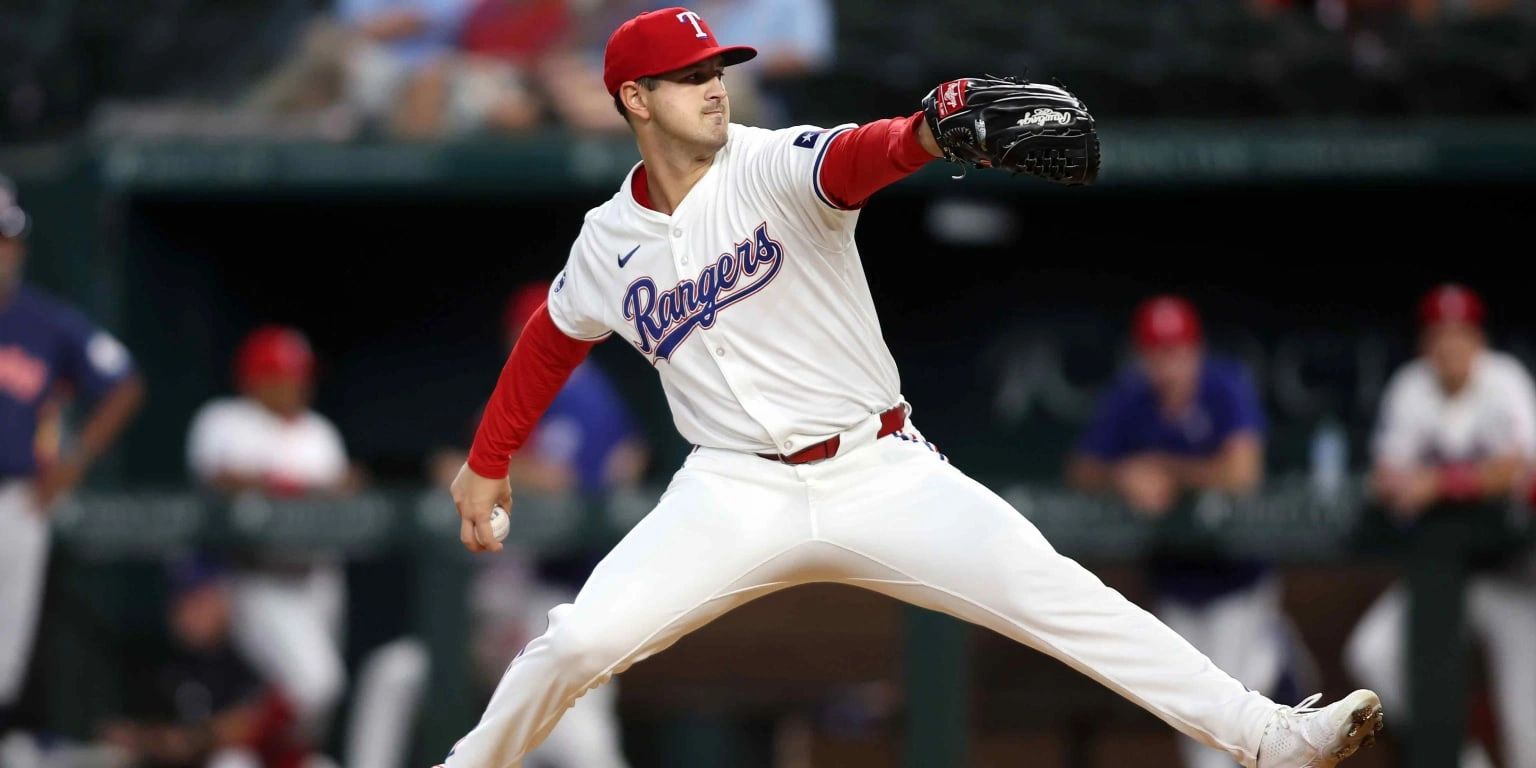
We already mentioned Tyler Mahle and Eric Lauer. Mahle’s value has always been his reverse-righty nature, and he was at it again in 2025, yielding a .179 OBA versus lefties against a .250 OBA versus righties. Mahle’s basics are solid and some of his peripherals suggest potential dominance, such as a low HR/9 rate (0.5) and low hard-hit rate (37%), though his xFIP was 2.25 higher than his ERA (4.43 vs 2.18). A contributor is his poor K:BB ratio and low K/9 rate (6.9). It will be interesting to see how Dynasty handles this bowl of mixed messages (aka Hot Sour Soup). Brewers’ fans no doubt remember Eric Lauer as an eminently hittable lefty. For Toronto, however, Lauer was lock down, posting an 8.8 K/9 rate versus a 2.2 BB/9 rate for an elite 4.0 K/BB ratio. He was touched a bit with the long ball, and he posted very low groundball and swinging strike metrics, suggesting 2025 might be the pop-up performance on the back of his baseball card.
Janson Junk, also a former Brewer, posted a very solid season in Miami. The righty pitched 40 innings over 4 years prior to 2025 with a bulbous 1.70 WHIP, so it was not only surprising that he still had an MLB job, but also that he pitched 110 innings in 2025 over 16 starts, including 6 quality starts. Junk turns 30 in January, so his already mid fastball isn’t going to get any heavier or runnier. So what worked? Junk’s stuff is less than league-average but his location in 2025 was plus-plus, boosting 3 of his offerings well above league-average, including a slider he threw 43% of the time and was nearly elite. Junk finished with a 1.14 WHIP, a .260 OBA and a 2.5 WAR. Interestingly, his xFIP was lower than his ERA (4.06 vs 4.17). Can’t Junk keep it up? For a guy who had 50 command as a prospect 5 years ago, 2025 was a pretty remarkable vintage.
If you really want to fill up, Kyle Hendricks is at the deep end of the pitching bar. The 36-year-old will give you 135 innings at a 1.28 WHIP, .258 OBA and 1.8 WAR, however, he didn’t do in 2025 what he’s always done – keep the ball on the ground and in the yard. Hendricks was a bit homer prone, had the lowest groundball rate of any season in which he threw over 135 innings, and posted a low swinging strike rate (8%). Still, he somehow limited hitters a very good 34% hard-hit rate. The best thing we can say about Hendricks at this point is that he’s trusty, and he may be trusty enough to survive onto some team’s 2027 roster, as well.
Another former Brewer – is there a theme building here? – Adrian Houser offers some intrigue. The 32-year-old Houser is now a Met after starting 2025 on the White Sox and being moved to the Rays at the deadline. His game log reflects a string of competitive starts and, indeed, 11 of his 21 starts were of the “quality” variety. Houser finished 2025 with a 1.28 WHIP and .250 OBA en route to a 2.3 WAR. He kept the ball in the park and invoked a remarkably high groundball rate, though his hard-hit and swinging strike rates are suspect.
There is a former bonafide ace on this end of the buffet. Lucas Giolito, now 31, had 4 seasons with a WHIP of 1.10 or less for the White Sox before injury and ineffectiveness derailed what was shaping up to be a stellar top-of-the-rotation career. His 1.29 WHIP this past season with Boston is his best since 2021 and he was relatively stingy with a .236 OBA on his way to a 2.0 WAR season. Giolito declined Boston’s mutual option and is entering free agency – perhaps a sign that he has a sense of restored confidence. After all, he was once a 60-rated prospect. A flyer on Giolito fills a 2026 rotation spot, for sure, but can he anchor a spot for 2,3, or even 4 more years?
Roster-Healthy Starter Options for Future Growth
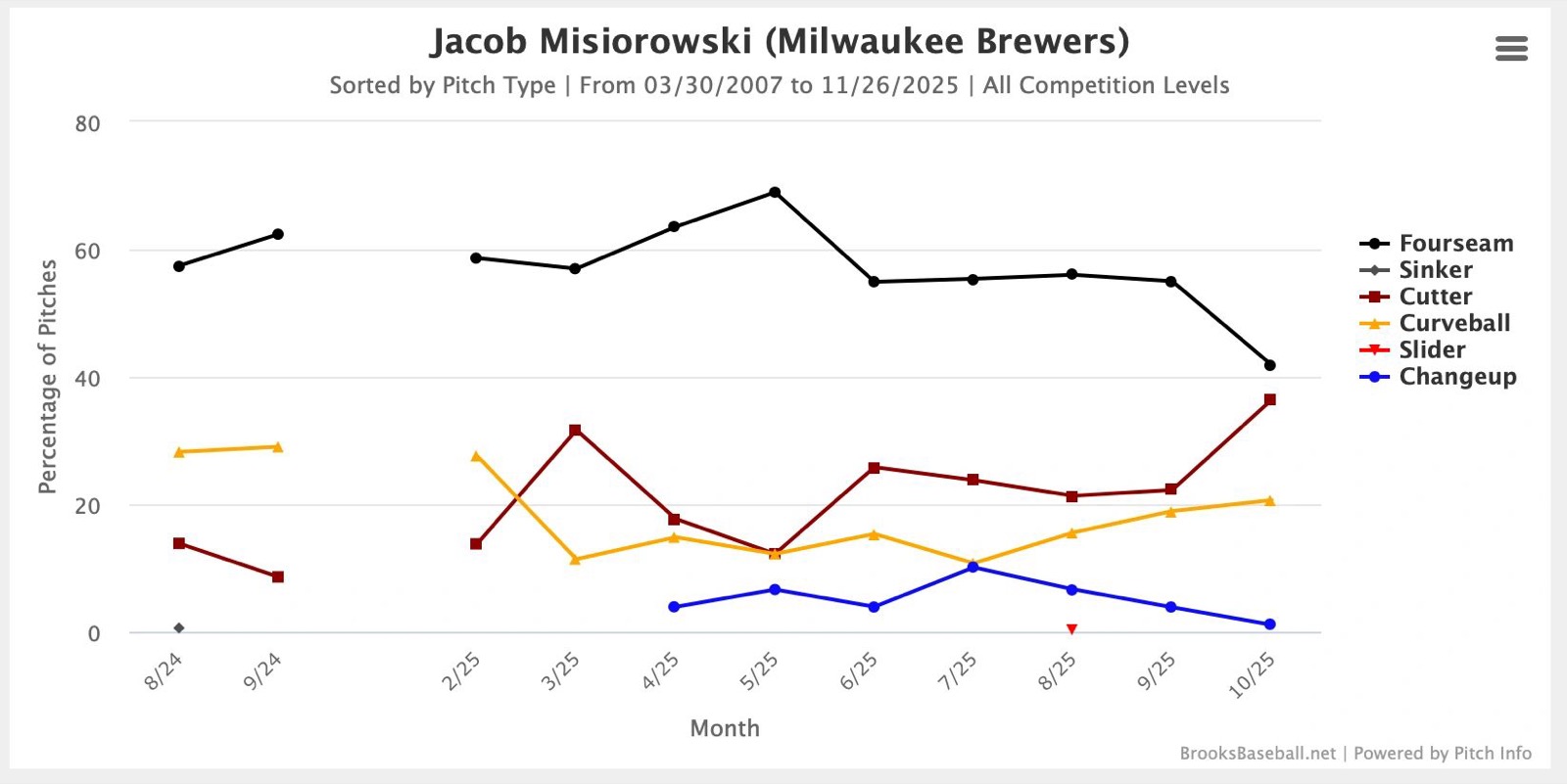
There’s a contingent of quality prospect starting pitchers who will offer limited value for 2025 – either due to ineffectiveness or minimal playing time – but hold significant promise for the future. The headliner of this group is Jacob Misiorowski, the 23-year-old flamethrower who posted 66 innings in 14 starts for the Brewers. To put Giolito is perspective, the Miz is a 55-rated prospect – so, yes, Giolito was a more highly considered prospect. But he didn’t have the 70-rated fastball that is Misiorowski’s calling card. Control has always been a question mark for the Miz, but in the MLB playoffs he was lights out, easily the best thing the Brewers had going. For 2026, Misiorowski will provide some team a great sample size as he posted a 1.24 WHIP and .213 OBA.
Cam Schlittler was a revelation for the Yankees, posting a 1.22 WHIP, a .213 OBA and 1.3 WAR across 14 starts and 73 innings. He was a 50 prospect – not quite the pedigree of the Miz – but his calling card is a 60-grade fastball that played up in the majors. The Dodgers’ Emmet Sheehan was the best of this group in terms of 2025 performance, posting a 0.97 WHIP, .184 OBA, 2.1 WAR, and a closer-like 16% swinging strike rate across 12 starts and 3 relief appearances. Sheehan, however, may be more suited for the bullpen long-term unless he develops a 3rd reliable pitch.
Ryan Bergert started 15 games for the Royals and was a decent prospect coming through the minors, graduating with a 45 grade. With a profile built largely on command of a plus fastball and slider, Bergert’s command slipped into control problems as he walked 4.1 per 9. That’s the bad news. The good news is his stuff was better than advertised as he sported an 8.6 K/9 rate, yielded a .213 OBA and posted an excellent 36% hard-hit rate. Chase Dollander would like everyone to throw away his 2025 MLB debut as he was abysmal. Part of it is being on the Rockies – a lousy team in a pitcher-hating park. Dollander was horrible across his 21 starts so forget about him ever throwing an inning in the MMDBL in 2026, however, he graduated as a 55 prospect with a solid 3-pitch mix, featuring a cutter and curve. Known for his command at Tennessee, Dollander struggled to throw anything consistently in his debut MLB campaign.
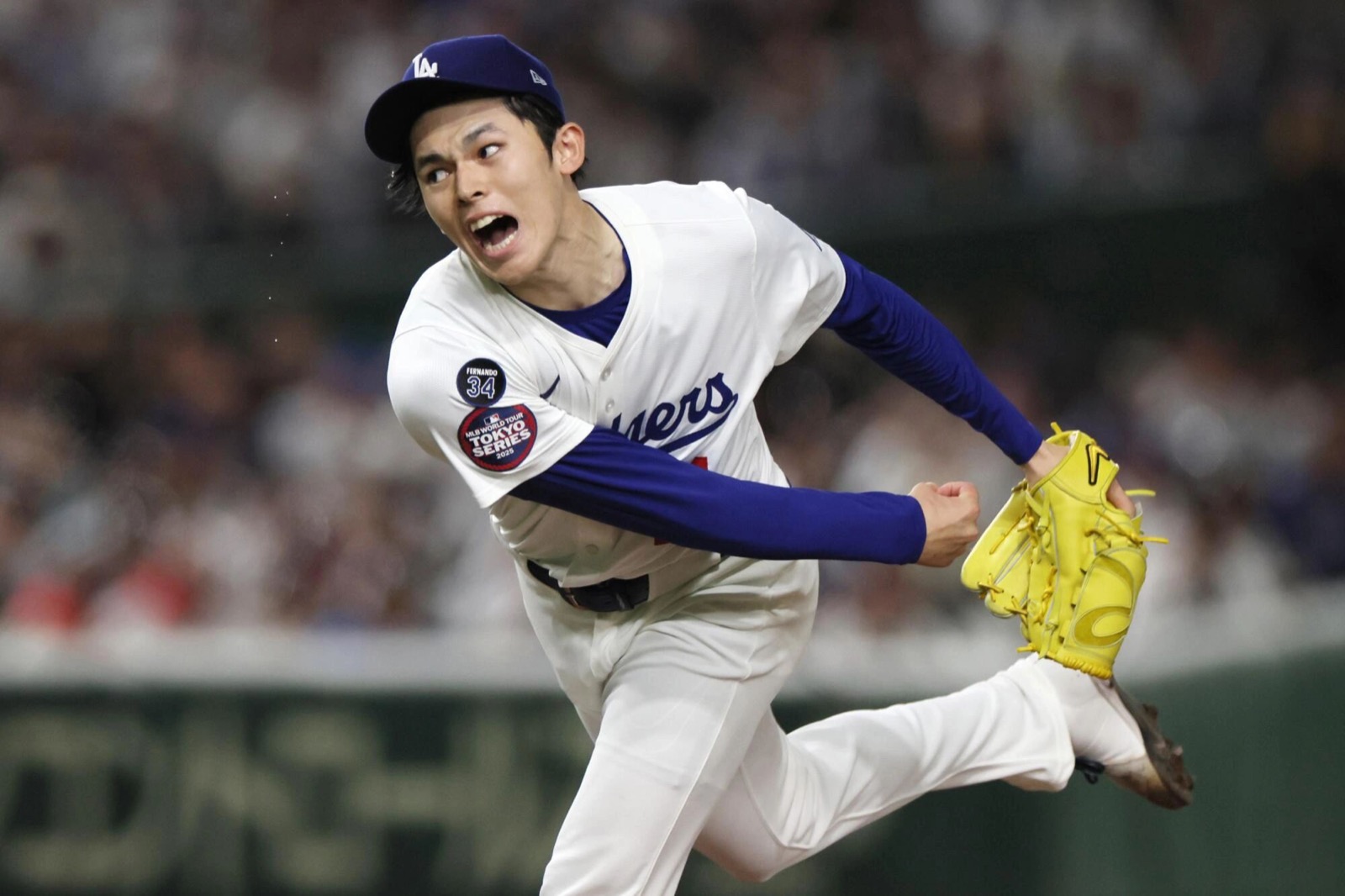
The big question relates to Toronto’s Trey Yesavage. Will he get a card? If so, he’s eligible to be drafted. Despite his playoff heroics, however, Yesavage only tossed 14 regular-season innings. Yesavage is a 50-grade prospect with 3 plus pitches, including a splitter that absolutely ate during the post-season. He’ll be in the Blue Jays’ rotation in 2026. If Kumar Rocker doesn’t make it as a starter, his 80-grade slider will carry him as a closer. A 50-grade prospect who started 14 games for the Rangers in 2025, Rocker figures to have a spot in the 2026 rotation. This section would not be complete without mentioning Roki Sasaki and Chase Burns. Sasaki was “Mariano” to the Dodgers out of the bullpen in the playoffs after starting 8 games in the regular season with mixed results marred by massive control issues. Still, Sasaki is a 65-grade prospect with an elite slider and 100-mph 4-seamer. Burns is a 60-grade prospect with a 70 fastball but command is a serious concern. His profile could carry him to the back of the bullpen as it did for Michael Kopech.
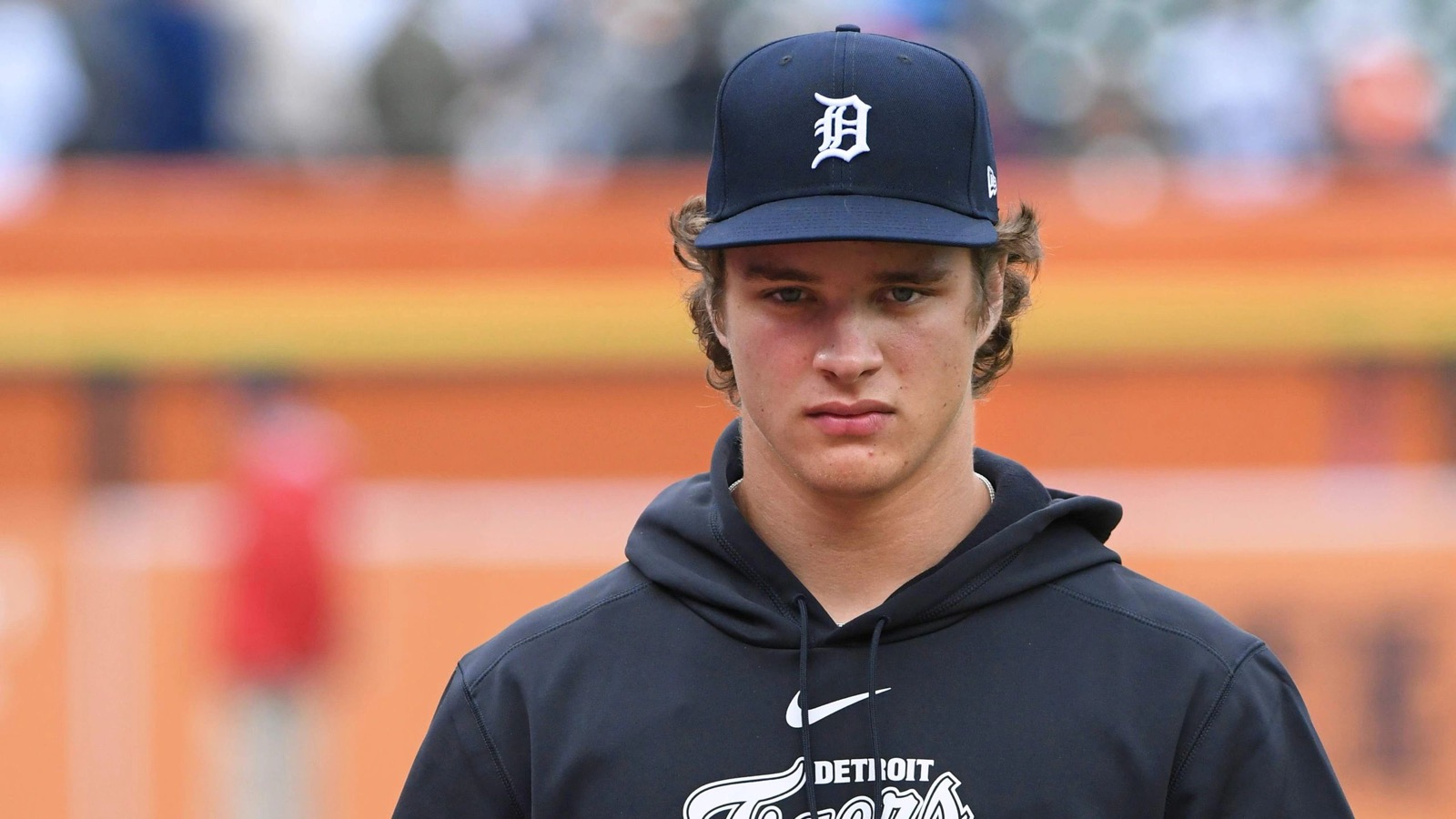
Detroit’s Jackson Jobe ended a meh rookie season with Tommy John surgery, so he’ll miss much of 2026. A 60-grade prospect entering the season, everything seemed to play down. His 60 fastball was slower than expected and his 60 command was visually non-existent. Still, he’s a top-rated prospect who could emerge with better health and more seasoning. Caden Dana started strong for the Angels but faded hard over 10 MLB starts as control and long ball issues surfaced. Dana is a 50-grade prospect with an average fastball and suspect command – a mix that looks like a future bullpen piece, especially with his plus slider.
The Mets add 3 to this mix – Nolan McLean, Jonah Tong, and Brandon Sproat. McLean was lights out across 8 starts and 48 innings. His curve is elite – almost unhittable – and he flashed 6 plus pitches in the majors this summer. A 55-grade prospect, McLean sort of snuck up on everyone given how fast he developed. Teammate Tong is a 50-grade prospect who flashes 3 solid pitches, including a 70 fastball, however, command has been his challenge throughout the minors and was in his inaugural MLB season. Sproat is a 50-grade prospect who flashes 5 pitches, but it was his curve that made the most progress in his jump to the majors. Graded as average throughout his minor-league career, it showed elite shape and swinging miss rates, both in and out of the zone.
Parker Messick and Connelly Early are a pair of lefty rookies with decent upside. The Guardians’ Messick is a 50-grade prospect with a plus changeup and plus command, but who’s remaining mix is average. He can likely muster 2 plus pitches if his fastball comes along. Early is a 45-graded prospect with command issues for days, yet he has the potential for 3 plus pitches just on shape alone, though his 4-seamer is not overpowering. Shockingly, in his 4 MLB starts for Boston, Early nearly halved his BB/9 rate from what it was over his minor-league career while missing bats with his sinker, which is a late-developing offering that began to emerge only after his jump to Boston.
Others of note include Brewers’ Logan Henderson (50-grade), the Giants’ Carson Whisenhunt (50) who flashes an 80 change piece, and the Tigers’ Troy Melton (50). You could make the case that Melton was the Tigers’ best pitcher not named Skubal in the post-season and you wouldn’t be wrong. Pittsburgh’s Bubba Chandler looked every bit a 60-grade prospect in his 4-start rookie season. He amassed 0.9 WAR in just 31 innings, but most head-turning was the fact that his command was solid after posting BB/9 rates in the range of 4.50 to 6.50 during much of his minor-league career. He’s a true 3-pitch guy (fastball, slider, change) but all have the potential to be plus pitches. If the slider doesn’t keep up, or if command falters, Chandler could revert to the back of the bullpen.
Braves’ righty Hurston Waldrep (45-grade) comes at hitters with a near-elite splitter, a mid fastball and a history of command issues. He tossed 56 solid innings for the Braves last summer, but the command issues were there as he posted a 3.51 BB/9 rate, though he was strong enough to amass a 1.2 WAR. Like Waldrep, the A’s Luis Morales had a respectable MLB debut season this summer, though his profile is even more volatile. Morales is a 50-grade prospect with a heavy fastball, near plus-plus slider and an excruciating control profile that some believe will land him at the back of the bullpen. The Nationals’ Cade Cavalli didn’t achieve
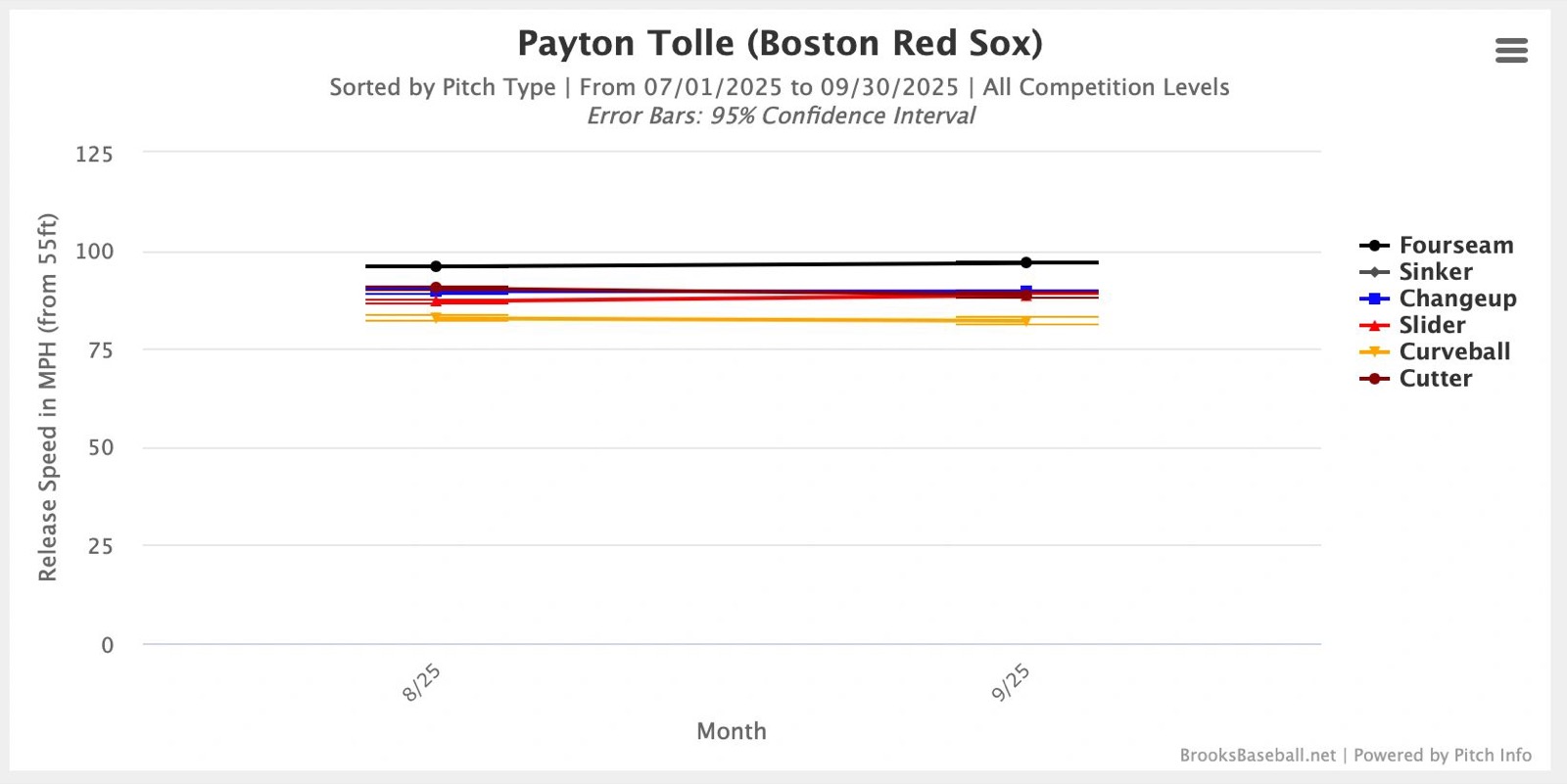
the same results as Waldrep and Morales, but he showed more command and refinement in his rookie season. Cavalli boasts 3 potential plus pitches and looks like a potential innings-eater whose stuff will be reliable, though not spectacular, and will play up if his command is strong. Boston’s Payton Tolle was electric and erratic in his 16 MLB-debut innings. He fanned nearly 11 hitters per 9, walked roughly 5 per 9, and yielded almost 3 homers per 9 innings! However, he hit 100+ MPH, sat at 97 with his 4-seamer, and averaged an 8 MPH drop on his changeup. Tolle’s profile probably leans more to future closer, though the Sox will keep him in the rotation for now.
Henderson, Whisenhunt, Melton, Chandler, Waldrep, Morales and Cavalli are all expected to have shots at earning rotation spots in 2026, adding to their intrigue as healthy options at the MMDBL draft buffet.
But Sir, It’s Wafer Thin
No pitching buffet is complete without an apertif of relief. No, we’re not talking about gas relief, but back-of-the-bullpen options that may toss only 2 to 3 innings per series but are critical to a team’s success. This year’s draft pool is already filled with several lockdown and intriguing bullpen options and, if past is prologue, we can expect each team to draft 5.4 relievers in January.
High-volume options include Mike Vasil (101 IP, 1.25 WHIP, .204 OBA), Sean Newcomb (92 IP, 1.35 WHIP, .265 OBA), Jacob Latz (85 IP, 1.24 WHIP, .222 OBA), Jimmy Herget (83 IP, 1.18 WHIP, .229 OBA), Valente Bellozo (81 IP, 1.33 WHIP, .265 OBA), and Spencer Bivens (81 IP, 1.33 WHIP, .265 OBA). These are the max-volume (³ 80 MLB innings pitched) options with WHIPs of 1.35 or lower and there are only 6 of them.
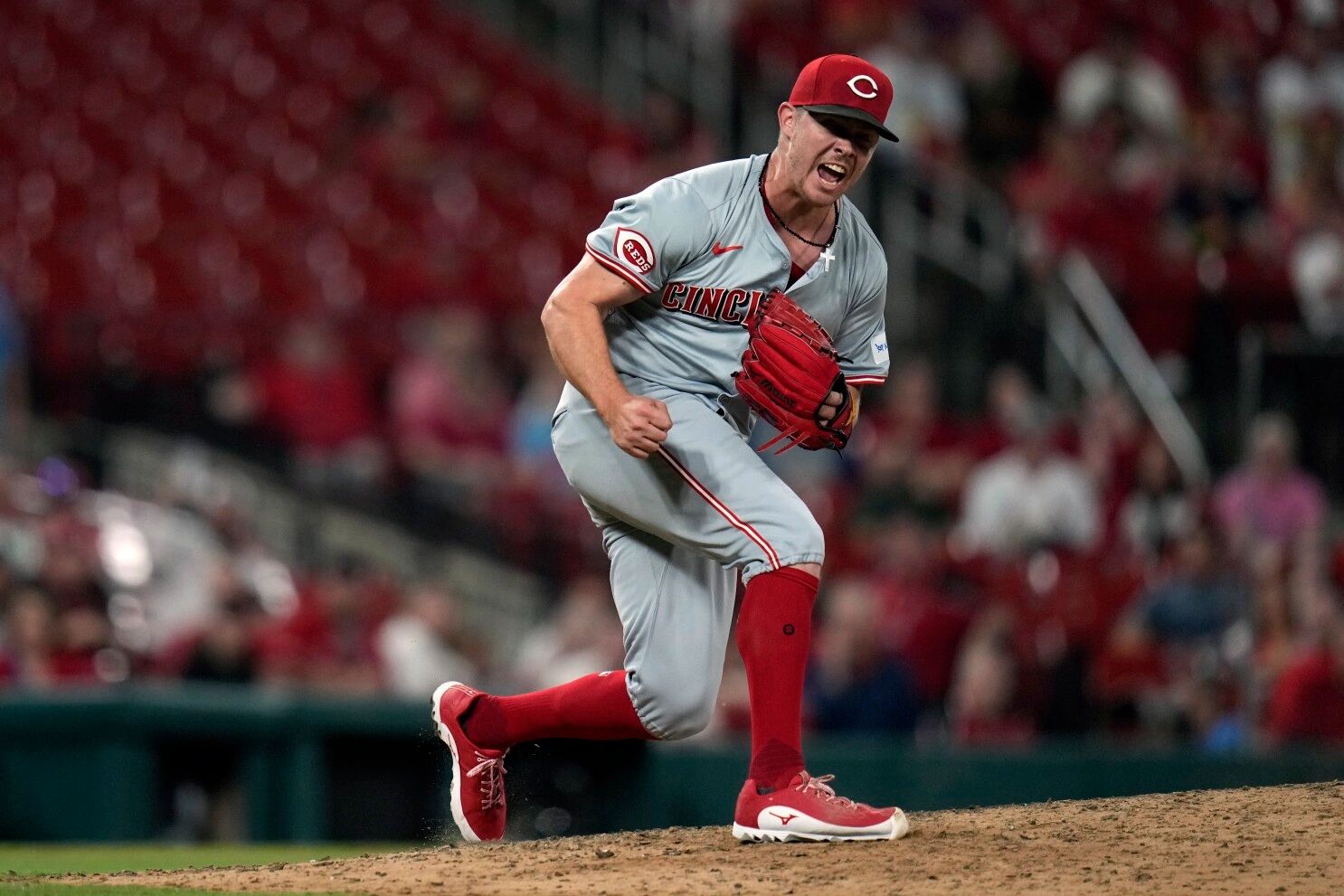
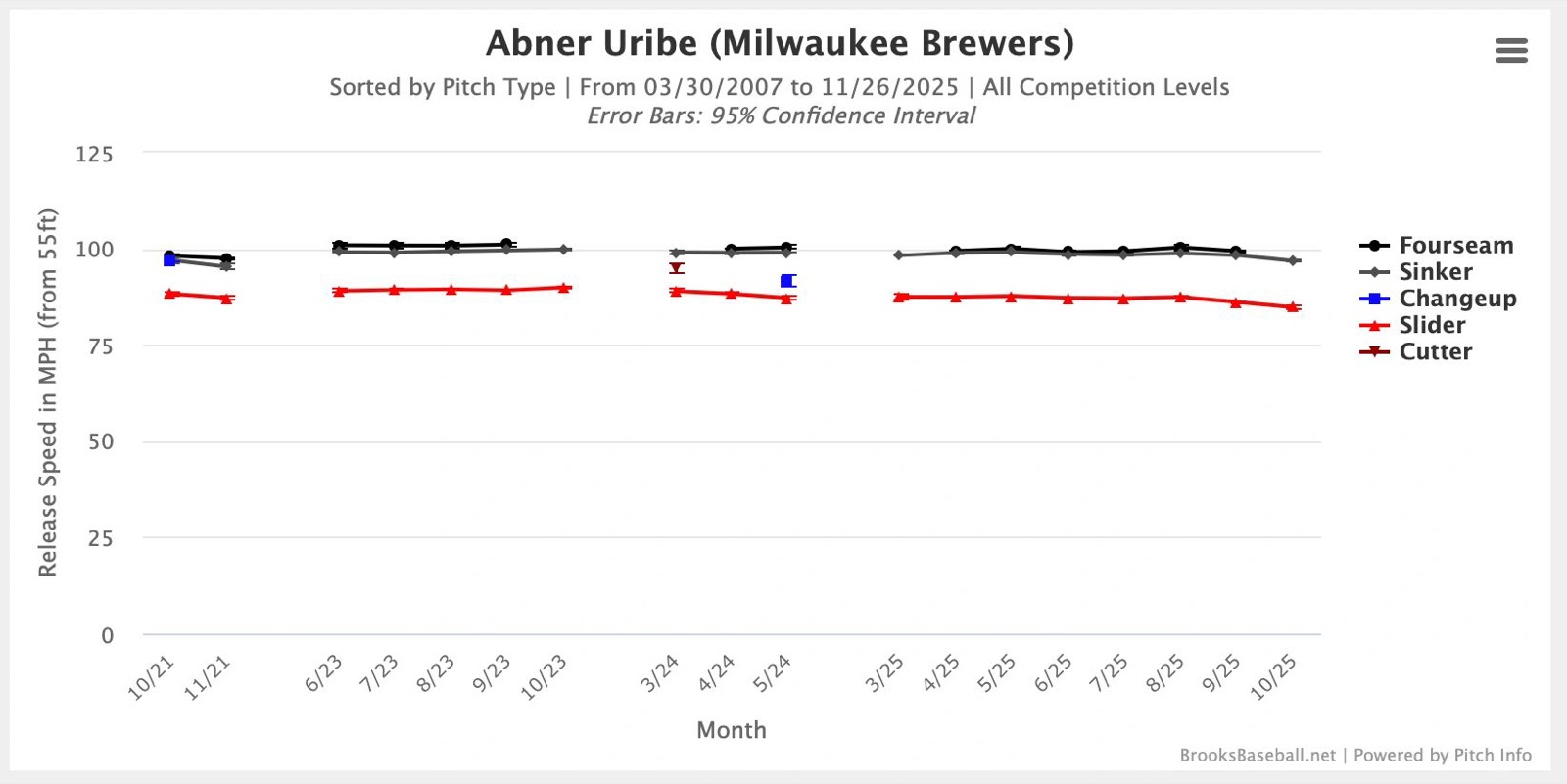
The mid-volume (> 55 to <80 MLB innings) options provide markedly better performance, including 6 pitchers with sub-1.00 WHIPs, 19 with WHIPs in the range of 1.00 to 1.20, and another 11 with WHIPs of 1.21 to 1.35 – a total of 36 pitchers with WHIPs of 1.35 or less. Ranked by best WHIP, the top mid-volume options are Shawn Armstrong (0.81 WHIP, 9 saves), Matt Swanson (0.88), Caleb Thielbar (0.88), Steven Okert (0.89), Emilio Pagan (0.92, and 32 saves), Brad Keller (0.96), Abner Uribe (1.04, 7 saves), David Bednar (1.04, 27 saves), Justin Sterner (1.05), Jack Dreyer(1.05), and Jalen Beeks (1.08).
The lower-volume options (30 to 55 MLB innings) include 5 pitchers with sub-1.00 WHIPs, 20 with WHIPs in the range of 1.00 to 1.20, and another 18 with WHIPs of 1.21 to 1.35 – a total of 43 pitchers with WHIPs of 1.35 or less. Ranked by best WHIP, the top lower-volume options are Taylor Clarke (0.85 WHIP), AJ Blubaugh (0.88), John Curtiss (0.93), Dylan Dodd (0.94), Cole Winn (0.96), Braydon Fisher (1.02), Bennett Sousa (1.03), Max Kranick (1.05), Drew Pomeranz (1.07), Matt Festa (1.08), Chase Lee (1.10), Chase Shugart (1.11), Isaac Mattson (1.13), Daniel Palencia(1.14, 22 saves), Mason Fluharty (1.14), Chris Flexen (1.15), and Riley O’Brien (1.15).
Minimum-volume options (>15 to <30 MLB innings) total 27 pitchers with WHIPs of 1.35 or less. All told, the reliever pool as it sits today – before cutdown – has 112 pitchers with WHIPs of 1.35 or less, and this does not include guys counted as starters who also relieve. Coincidentally, 112 “quality” relievers divided by 20 teams per round calculates to 5.6 relievers per team. Hey, that’s awfully close to the historic reliever-per-team-per-draft average!
Coincidence? Or perhaps, just good food bar management.