
2021 Draft Loaded With Future Value, Light on Current Value
(Updated Feb. 22, 2021 6:30 am CT)
The MMDBL’s first-ever “real” Free Agent & Rookie Draft will take place March 4, 5 and 6. Once again, GMs will gather on Zoom and they will officially make their picks, and follow those made by others, on the Slack app. What makes this draft “real” is the inclusion of true rookies, many of whom can be expected to go early in the draft as teams look to secure cornerstone pieces for the future.
This year’s draft features a pool of 640 carded free agents, including 306 position players and 334 pitchers. Teams looking for immediate help for their rotations and bullpens will find it in this year’s pool. Those looking for immediate lineup help will have to shop early as the hitter pool quickly runs dry.
The pitching pool features 334 players who combined for 7,594 innings pitched, including 4,089 relief innings, and produced an aggregate WAR of 28.1. In stark contrast, the hitting pool features 306 players who combined for 23,380 plate appearances, hit 627 homeruns, and produced a putrid aggregate WAR of -7.6. This is not to suggest there are no good hitters in the draft. There certainly are. But not enough, given the lineup gaps that are evident to the naked eye when perusing the league’s pre-draft rosters.
Just 7 position players in the free agent pool have a WAR of 1.0 or greater and 5 of them are rookies. Of the hitters, 204, or 67% of them, have a WAR of zero or less, meaning they theoretically offer no current value above a replacement-level stopgap. This means that only 102, or 33% of hitters in the draft will provide greater than replacement-level value.
Turning to pitching, just 6 have a WAR of 1.0 or greater and 4 are rookies. In total, 166, or 50%, have a WAR of zero or less. This means, all told, 268 players, or just 42% have a WAR of greater than zero and will likely be expected to contribute this season to the teams that draft them. A total of 83 players in the draft pool, or 13%, have a WAR of 0.5 or greater, and 55 (66%) of them are pitchers.
Teams focused on rebuilding will be happy to discover that the projected WAR of the 2021 draft pool far exceeds its current WAR. 566 of the 640 free agents and rookies (88%) in the 2021 draft pool are either on MLB 40-man rosters or in Spring Training camp as non-roster invitees (NRIs). Those 566 players project to a 2021 WAR value of 290.2 using the Fangraphs ZIPS projections. Comparatively, they combined for a real WAR of 27.8 in the COVID-impacted 2020 season. If we adjust for the shortened season, their cumulative WAR for a theoretical 2020 full season increases to 75.1, still well below the 2021 ZIPS projection of 290.2.
The cumulative projected 2021 WAR (ZIPS) for the players not currently in a major-league camp is 12.6, versus a 2020 real WAR of -28.3 (-76.5 when adjusted for a full 162-game season.) Overall, the draft pool projects to a 2021 WAR of 302.8, with a whopping 189.6 WAR coming from pitchers currently in big league camps, and 100.6 coming from hitters who will be trying to make Opening Day rosters.
Using Fangraphs to project major-league rosters, the MMDBL draft pool features 52 pitchers who are expected to lock down rotation spots, including 4 who are tracking as Opening Day starters (Matt Boyd, Kyle Gibson, Danny Duffy, and John Means.) It includes 35 pitchers who project to back-of-the-bullpen roles, either as setup men or closers. The pool also includes 88 pitchers who project to long- or middle-relief roles and another 29 pitchers who reached the majors in 2020 and, despite being on their team's Baseball America Top 30 prospect list, are expected to open the season in the minors.
For hitters, the draft pool features 115 players projected to make major-league Opening Day rosters, including 54 who are expected to be starters. It also features 31 position players who made their MLB debuts in 2020 and who, despite ranking as one of their team's top 30 prospects (Baseball America), are expected to open the season in the minors. Also in the pool are several players who have gone to Nippon Professional Baseball (NIP), the Korean Baseball Organization (KBO), Mexican League Baseball (MEX), independent baseball (IND) or have announced their retirement (RET).
With so many rookies making their major-league debuts in the 2020 COVID-shortened season, the MMDBL’s 2021 draft offers teams a deep young and talented pool. Many projectable prospects who offer little or no current season value are in the draft pool along with several blue-chippers that offer substantial current-season value as well as promise for long-term value. It will be intriguing to see how teams play their individual draft strategies. Who will go “all in” to build their roster for a 2021 title run? Who will focus on talent acquisition at the expense of competing in 2021? Which teams pursue a compete-and-build strategy and who will do it the best?
Three teams have chosen to cut deep and earn supplemental picks. Washington and Oakland each cut 26 players, earning supplemental Round 2 and 3 picks; and the Mets cut 23 to earn a supplemental 4th Round pick. This means Washington will have 6 of the first 65 picks, Oakland will have 6 of the first 83 picks, and the Mets will have 6 of the first 93 picks. The Yankees cut 21 and all other teams cut 17. All told, the draft will go 24 rounds and 366 players will be drafted.
Entering the draft, Toronto is the WAR leader at 26.7. The Blue Jays are 2nd in hitting WAR and 2nd in pitching WAR. Second is Minnesota at 24.1 WAR, 1st in hitting and 11th in pitching. Texas is next at 21.7 WAR, 13th in hitting and 1st in overall pitching. Toronto, Minnesota and Texas enter the draft in the best position to build a championship roster, but several other teams are lurking.
With Washington on the clock, now the attention turns to the annual question: “Who will be the first overall pick?”
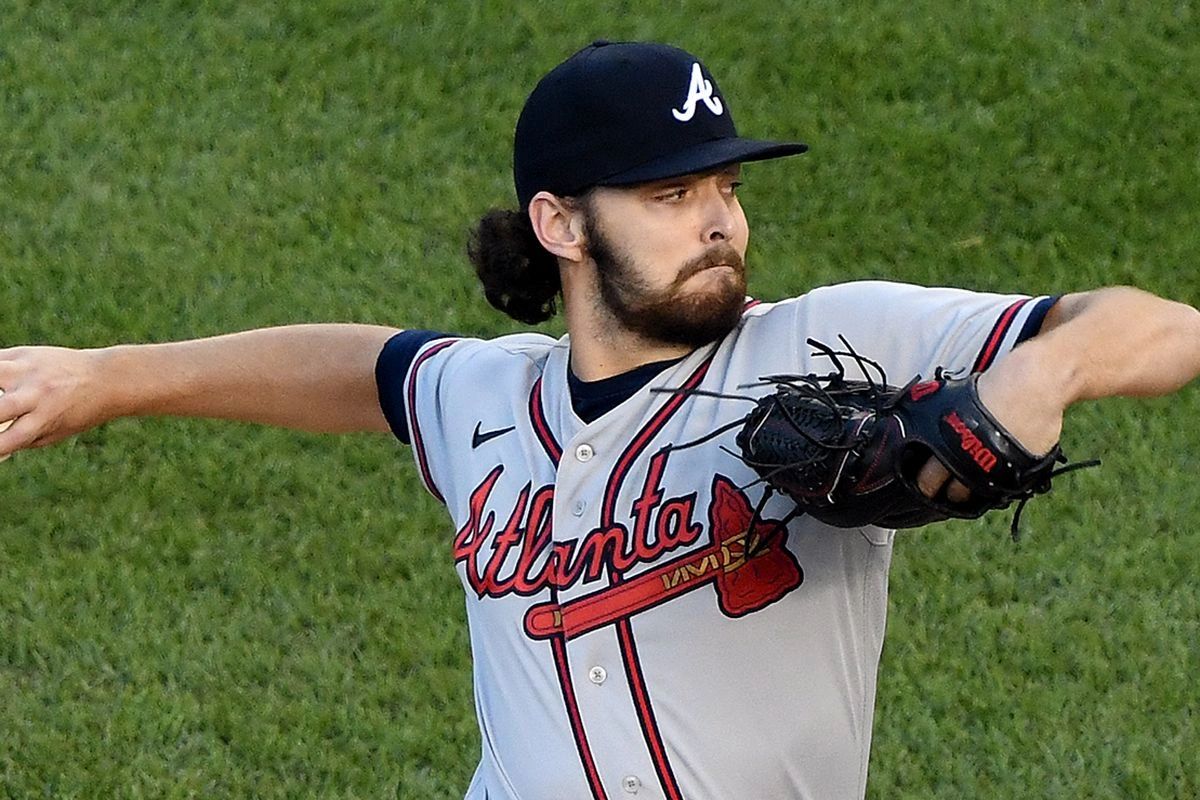
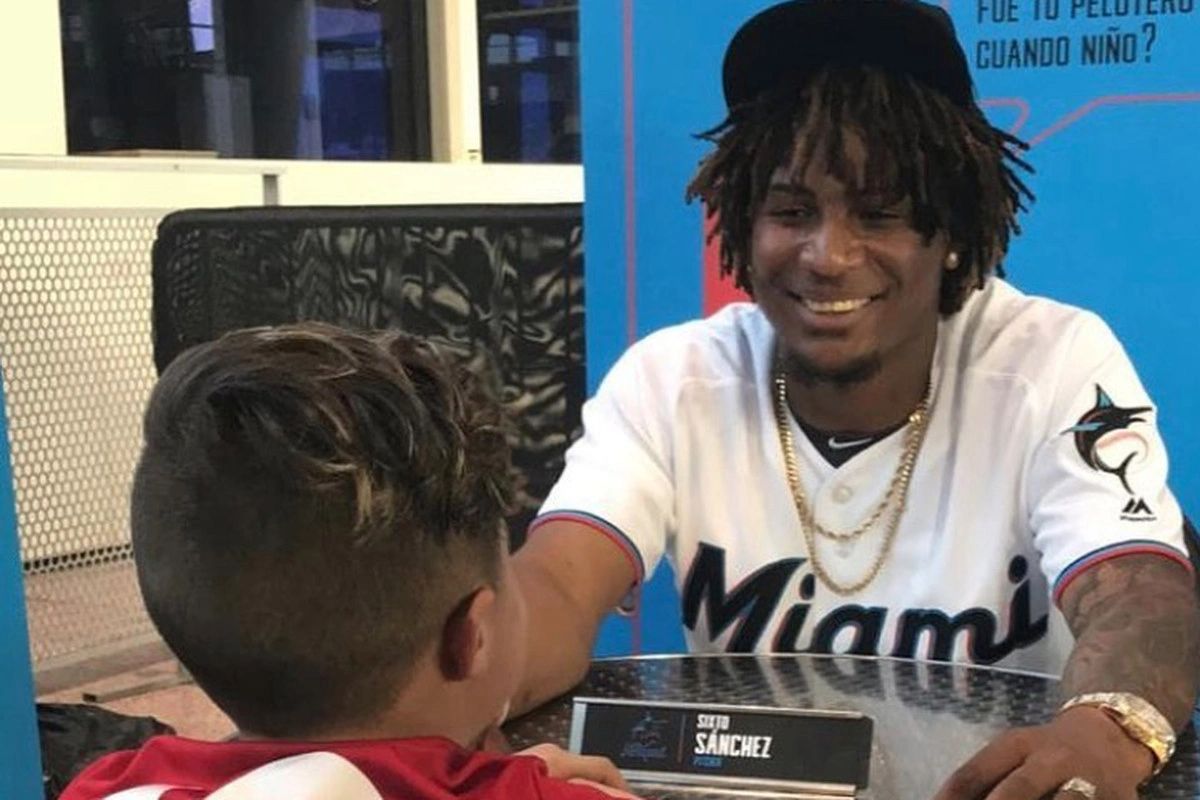
There are several quality candidates. With no catcher, the Nationals could take Salvador Perez, the highest WAR (2.0) player in the draft. They could also grab a quality starter such as Ian Anderson, Lance McCullers, Brady Singer or Sixto Sanchez. Or they could draft a guy who looks like a perennial closing stud in James Karinchak. Other options include hitters that look like great building blocks for the future who offer immense current-season value – Ke’Bryan Hayes, Luis Robert, Jake Cronenworth, Alec Bohm and Jared Walsh.
Listed above are 11 guys the Nats will chose from. Teams drafting in the top 11 need not worry – one of those players will still be on the board when they draft.